Itinerary
Ten Days in Catalonia: Barcelona, Girona, Coast and Tarragona
Allocate ten Catalonia nights across Barcelona, Girona, the Costa Brava and Tarragona without losing whole days to transfers.
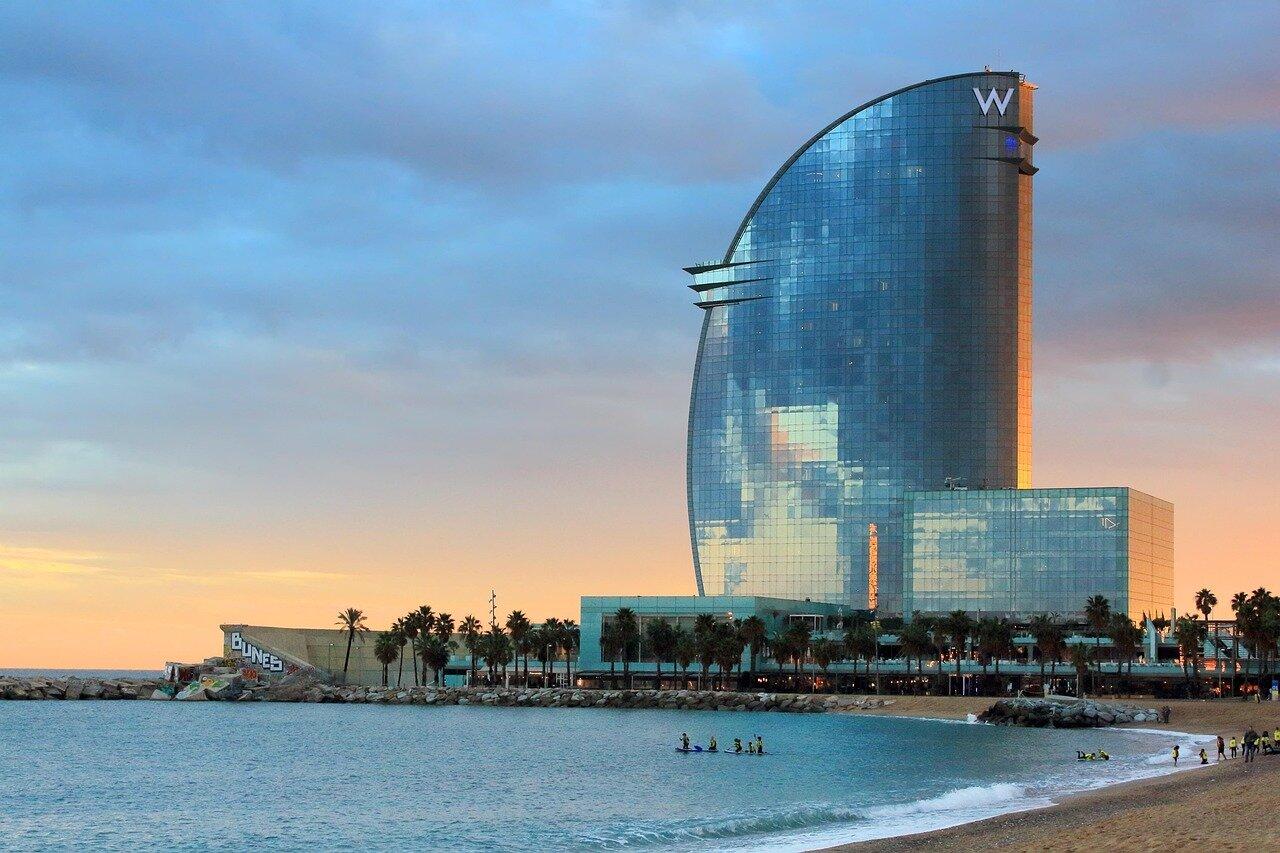
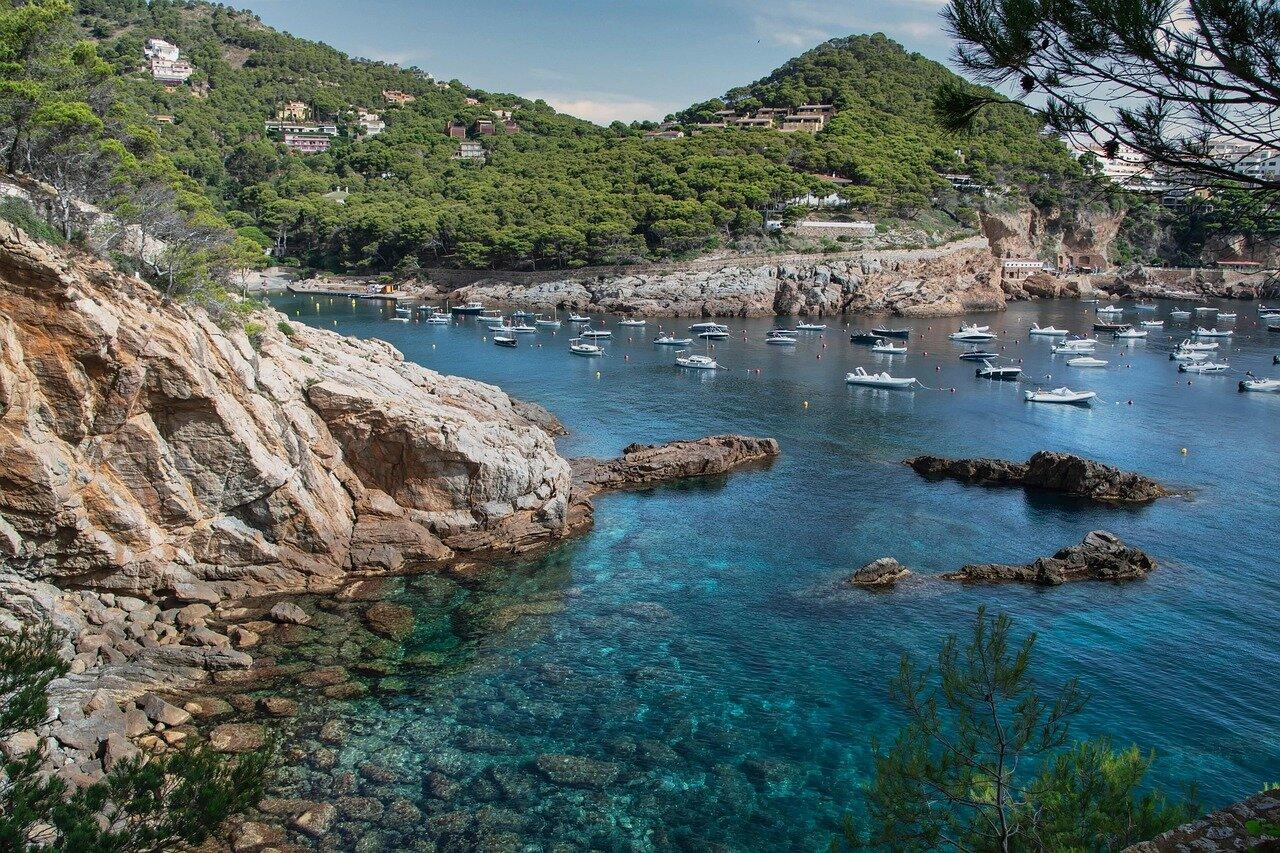
A ten-day first trip becomes awkward when the Costa Brava is treated as a compulsory fourth base. Barcelona, Girona and Tarragona sit on a workable rail spine; Calella de Palafrugell and Llafranc do not. Give the coast two nights when warm weather, an early bus and a slow shore day justify the extra transfer. In winter or during disrupted bus service, keep the room in Girona and make the coast optional.
This route assumes ten nights and eleven calendar days. With only nine nights, remove the coastal stay rather than shaving every city to a single rushed night.
The ten-night route at a glance
- Nights 1–3: Barcelona, with two complete city days after arrival.
- Nights 4–5: Girona, reached by train from Barcelona Sants.
- Nights 6–7: Calella de Palafrugell or Llafranc, reached by scheduled bus via Palafrugell.
- Nights 8–9: Tarragona, normally requiring a return through Girona or Barcelona when travelling without a car.
- Night 10: Barcelona or an airport hotel, chosen around the departure flight.
- Transport: rail between the three cities; bus for the central Costa Brava; no rental car is necessary for the core plan.
- Ground budget: allow roughly €95–175 per person per day, excluding flights. A shared room and advance rail purchases sit near the lower end; coastal taxis, major paid sights and restaurant dinners move it upward.
- Book first: the first and last beds, any limited-entry Barcelona sights, then the two coastal nights. Purchase transport only after checking the current route on Rodalies de Catalunya and the relevant long-distance or bus operator.
Catalonia offers far more regions than a ten-day first visit can treat well. This plan deliberately leaves out the Pyrenees, Lleida and the Ebro Delta. Adding one of them would require removing a base, not adding another transfer.
Barcelona needs two complete days, not three lists
Land on day one and make the arrival deliberately small: check in, walk one neighborhood and eat near the hotel. A timed monument on an uncertain flight day converts a delay into an expensive problem.
Use day two for one Modernisme anchor and its surrounding district. Use day three for a contrasting part of the city—Montjuïc, the old city or the waterfront—rather than another sequence of famous interiors. Barcelona rewards advance booking, but four prepaid entries in one day remove the freedom that makes a first visit legible.
Stay near an airport connection or a useful Metro route, not automatically on La Rambla. For an early final flight, split the Barcelona nights: two at the beginning and the last near the appropriate airport route. For a late departure, keeping all three opening nights together and returning to the same neighborhood on night ten reduces luggage decisions.
Take the train to Girona before lunch
Leave from Barcelona Sants on day four and arrive with enough daylight to learn the slope between Girona station and the Barri Vell. High-speed and regional trains serve the corridor, but their ticket rules, journey times and prices differ. Compare the actual departures for your date instead of building the trip around a generic “38-minute” claim.
Spend the first Girona afternoon on the river, Rambla de la Llibertat and lower old town. Put the walls, cathedral area and Jewish Quarter on day five, when you can begin before the day-trip peak. The second night matters: it gives Girona an evening identity after visitors leave and provides a buffer before the less frequent coastal transfer.
Compare two-night stays in Girona near either the station–Eixample corridor or the edge of the old town; carrying luggage deep into stepped lanes is the trade-off for atmosphere.
Calella de Palafrugell earns two nights only in good conditions
On day six, travel to Palafrugell and take the local connection or a short taxi to Calella de Palafrugell or Llafranc. Confirm both legs before leaving Girona. A timetable that creates a long roadside wait is a reason to remain in Girona, not a challenge to solve after checkout.
Choose Calella for compact coves and a village-centered evening. Choose Llafranc for a longer promenade and a straightforward start toward Sant Sebastià. On day seven, walk only a section that suits the heat, wind and footwear. Catalonia's official coastal-path overview describes a network, not one continuous level promenade; steps, exposed rock and road interruptions are normal.
Budget €15–35 for a casual lunch and €25–55 for dinner before drinks. Summer rooms and sea-view restaurants can exceed the trip's city averages. Reserve a flexible coastal room if the forecast window is uncertain.
If rain, strong wind or poor bus connections undermine this section, stay a third night in Girona. Use the day for Figueres, Banyoles or a shorter regional outing selected from current transport, then continue south by rail. The itinerary remains coherent because the coast was an optional branch rather than a structural connection.
Accept the long transfer to Tarragona
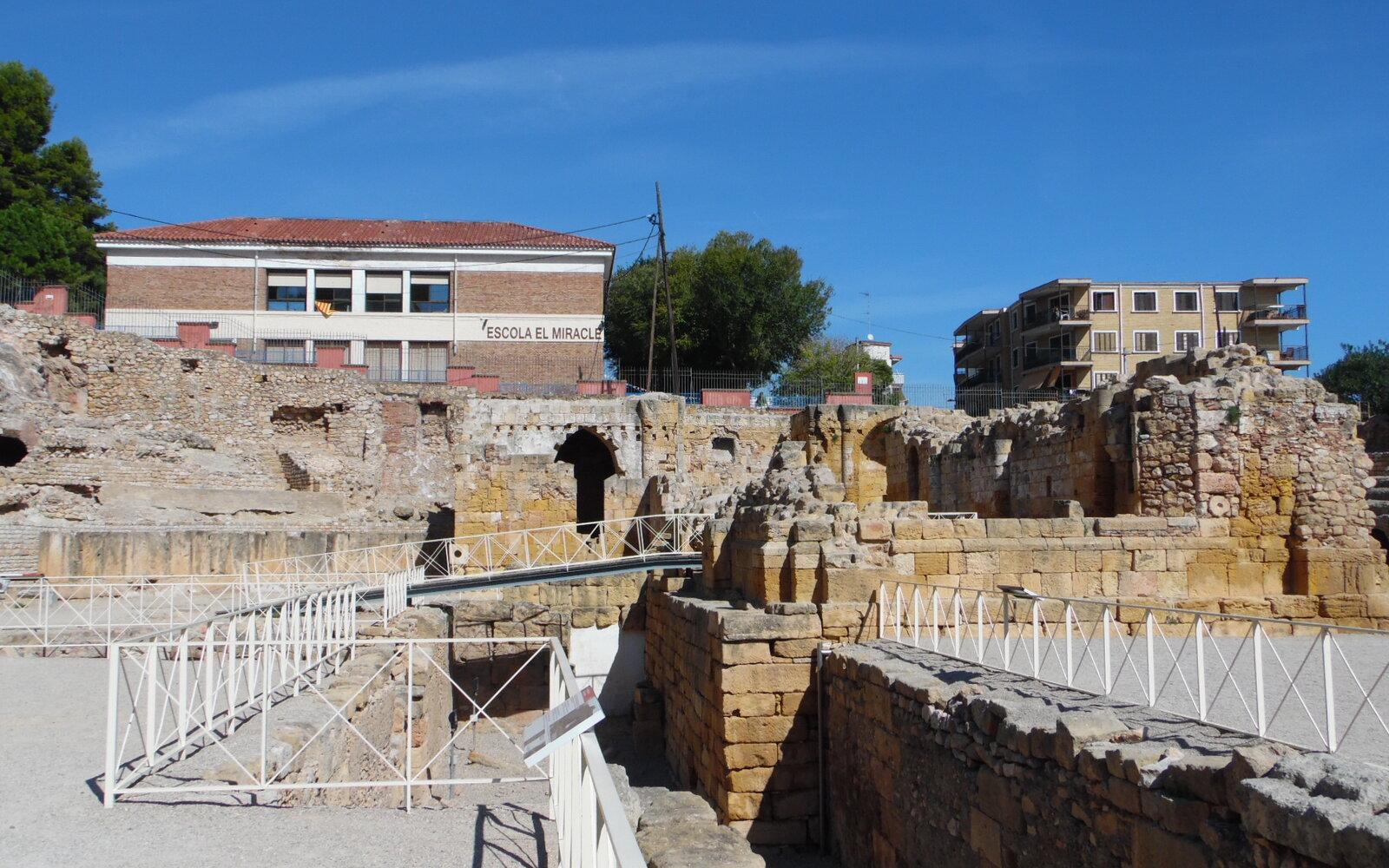
The coast-to-Tarragona move on day eight is the least elegant part of the route. Without a car, expect to return toward Girona or Barcelona before continuing south. Do not schedule a timed Roman monument on arrival afternoon. Treat the journey, hotel check-in and a Rambla Nova–Balcó del Mediterrani walk as the day's complete work.
Compare the coast-to-Tarragona journey only after fixing the local bus out of Palafrugell; a fast train later in the chain cannot repair a missed first connection.
Day nine belongs to Roman Tarragona. Start in the Part Alta, work through the archaeological sequence that is open, then descend toward the amphitheatre and sea. Municipal sites can rotate hours or close individual spaces, so verify the current ticket and openings rather than promising yourself a fixed count of monuments.
Day ten can be a slower Tarragona market and waterfront morning followed by the train to Barcelona. If the flight leaves early on day eleven, sleep near the correct airport connection. If it leaves after midday, a final central Barcelona night is reasonable, provided the airport route has margin.
What to cut when the route starts to strain
Remove the coastal overnight first when travelling in cold, wet or very windy conditions. Remove Tarragona next only when the return flight or a strong northern-Catalonia interest makes the southbound transfer disproportionate. Do not cut Girona to one night merely to preserve every name on the original list; that turns two travel days into one fragmented visit.
Keep at least half a day unreserved in Barcelona and one untimed evening in every base. Ten days are enough to understand four different settings, but only when the route is allowed to breathe. The useful test is not whether another stop fits on the map. It is whether adding it still leaves a morning when you can walk out of the hotel without checking out first.
Related guides
- Tarragona in One Day: Roman Ruins and the Old Town
Walk Tarragona from its Roman walls through the Part Alta to the seafront amphitheatre, with current monument tickets and timing.
- Costa Brava Road Trip: Coves, Villages and Coastal Towns
A three-to-five-day Costa Brava drive from Tossa de Mar to Girona—coastal towns, hidden coves, and medieval Empordà villages.
- A First Catalonia Trip Without Barcelona: Three Rail Bases
Build a six- or seven-night first Catalonia trip around Girona, Vic and Tarragona, with a simpler two-base fallback for rail disruption.
Are you in the know?
Receive new articles, local updates, and occasional offers from selected partners. We never share your email address. Unsubscribe at any time.
By subscribing you agree to our privacy policy.