Itinerary
Tarragona in One Day: Roman Ruins and the Old Town
Walk Tarragona from its Roman walls through the Part Alta to the seafront amphitheatre, with current monument tickets and timing.
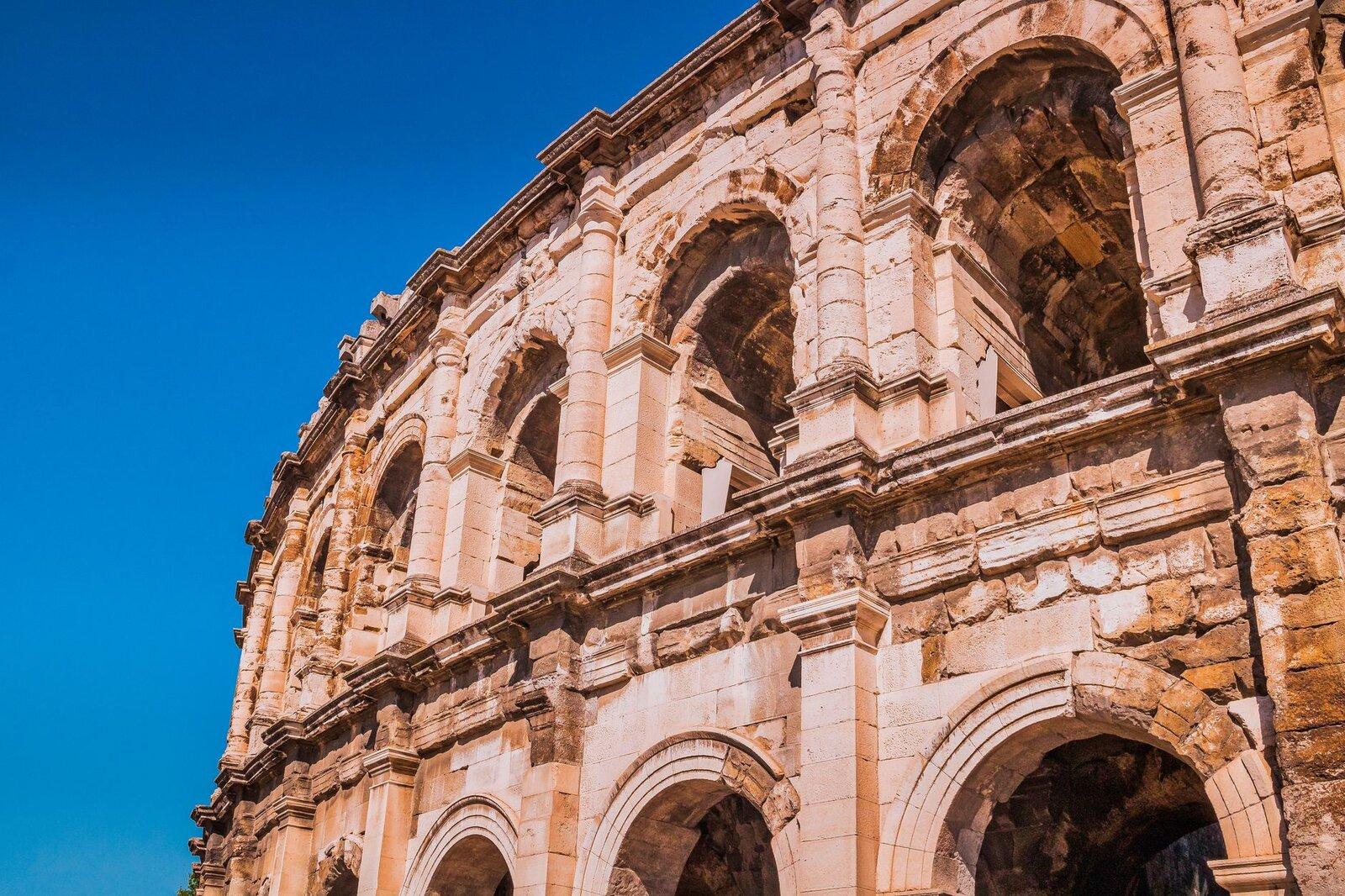
Tarragona is easiest to understand from the top down. Begin beside the Roman walls, where the scale of ancient Tarraco is visible, then descend through the medieval Part Alta and the buried corridors of the circus until the amphitheatre opens toward the Mediterranean. The route follows the city’s geography and its history at the same time.
For a first visit, allow eight to ten hours and about 6–7 km on foot. Arrive at central Tarragona station, not the out-of-town Camp de Tarragona high-speed station, unless you have planned the additional transfer. A comfortable day runs from the Archaeological Promenade to the cathedral, circus and praetorium, lunch in the old town, the amphitheatre, and a final walk along Rambla Nova.
Read Tarraco from the Roman walls
Climb from the station toward the Part Alta and enter the Archaeological Promenade early, before the stone absorbs the day’s heat. Roman foundations sit beneath later fortifications, so the first monument establishes Tarragona’s central idea: this is not a sealed archaeological park but a city repeatedly built into its own past.
The municipal monuments can be bought individually, but the combined ticket usually makes more sense for this route. On 17 August 2026, the city’s official ticket page listed €5 for a single monument and €15 for a joint ticket covering the Archaeological Promenade, Circus–Praetorium, Colonial Forum, Amphitheatre and Casa Canals. Temporary closures can change the value of that bundle, so read the live notice before purchasing.
The municipal opening calendar shows the seasonal pattern and shorter Sunday and holiday hours. In the summer period listed for 2026, most sites opened Tuesday to Saturday from 09:00 to 20:45 and Sunday and holidays from 09:00 to 14:30, with Monday closure and last entry 30 minutes before closing.
Let the Part Alta interrupt the route
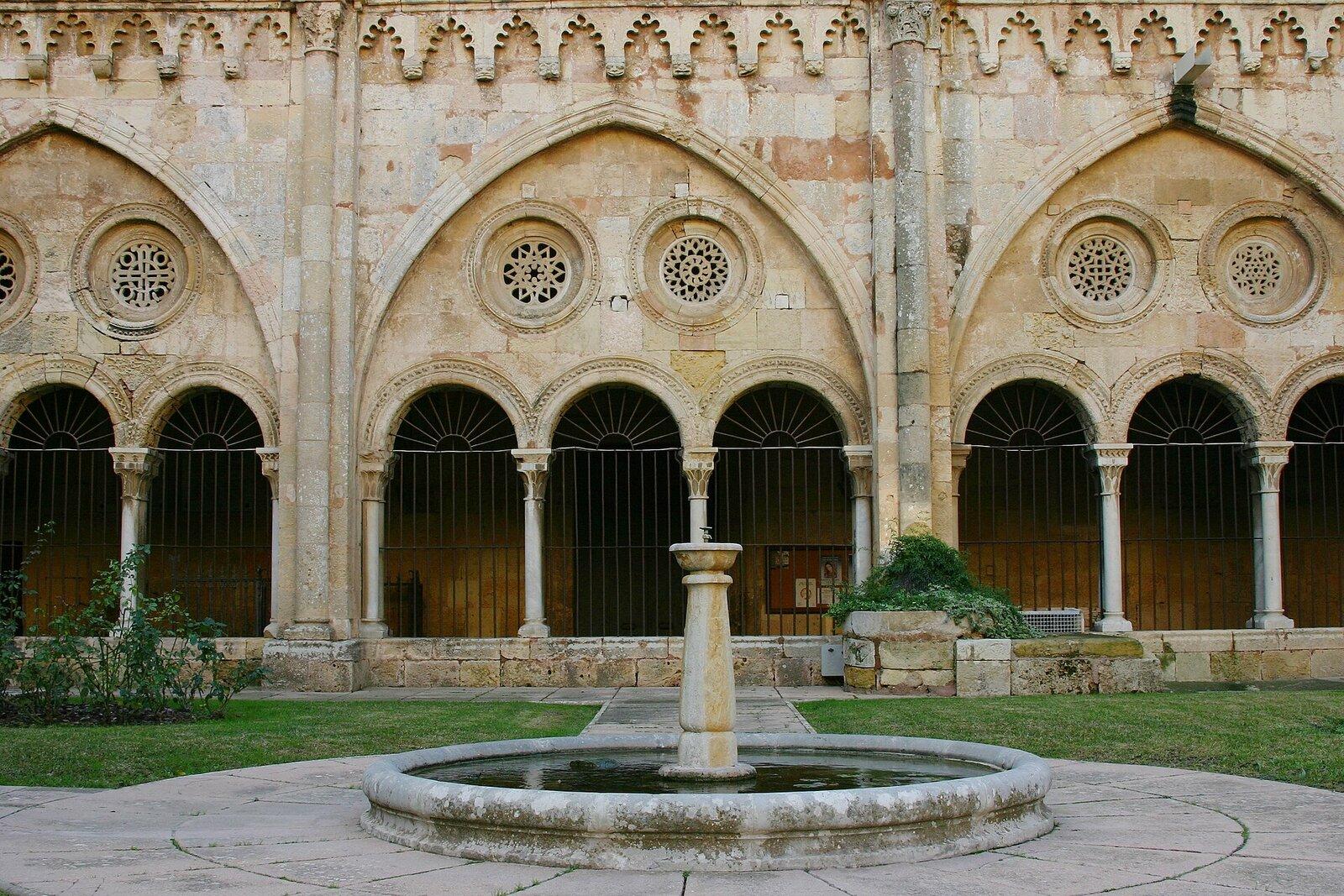
From the walls, enter the Part Alta without taking the most efficient line to the cathedral. Roman masonry appears in building fronts and squares; cafés and homes occupy the old monumental zone. Plaça del Fòrum offers a clear meeting between surviving stone and present-day life.
The cathedral stands at the high point of the quarter, reached by a broad stair. Its Romanesque and Gothic fabric belongs to a different Tarragona from the imperial remains, while the cloister changes the pace again. The cathedral’s official visit page listed general admission at €12.50 and suggested about one hour for a self-guided visit when checked on 17 August 2026. Worship, special closures and seasonal hours take precedence over tourist access.
If the full interior visit would compress the rest of the day, choose either the cathedral or an extra municipal site rather than rushing both. Tarragona is more persuasive when its layers have time to register.
Descend through the circus beneath Plaça del Rei
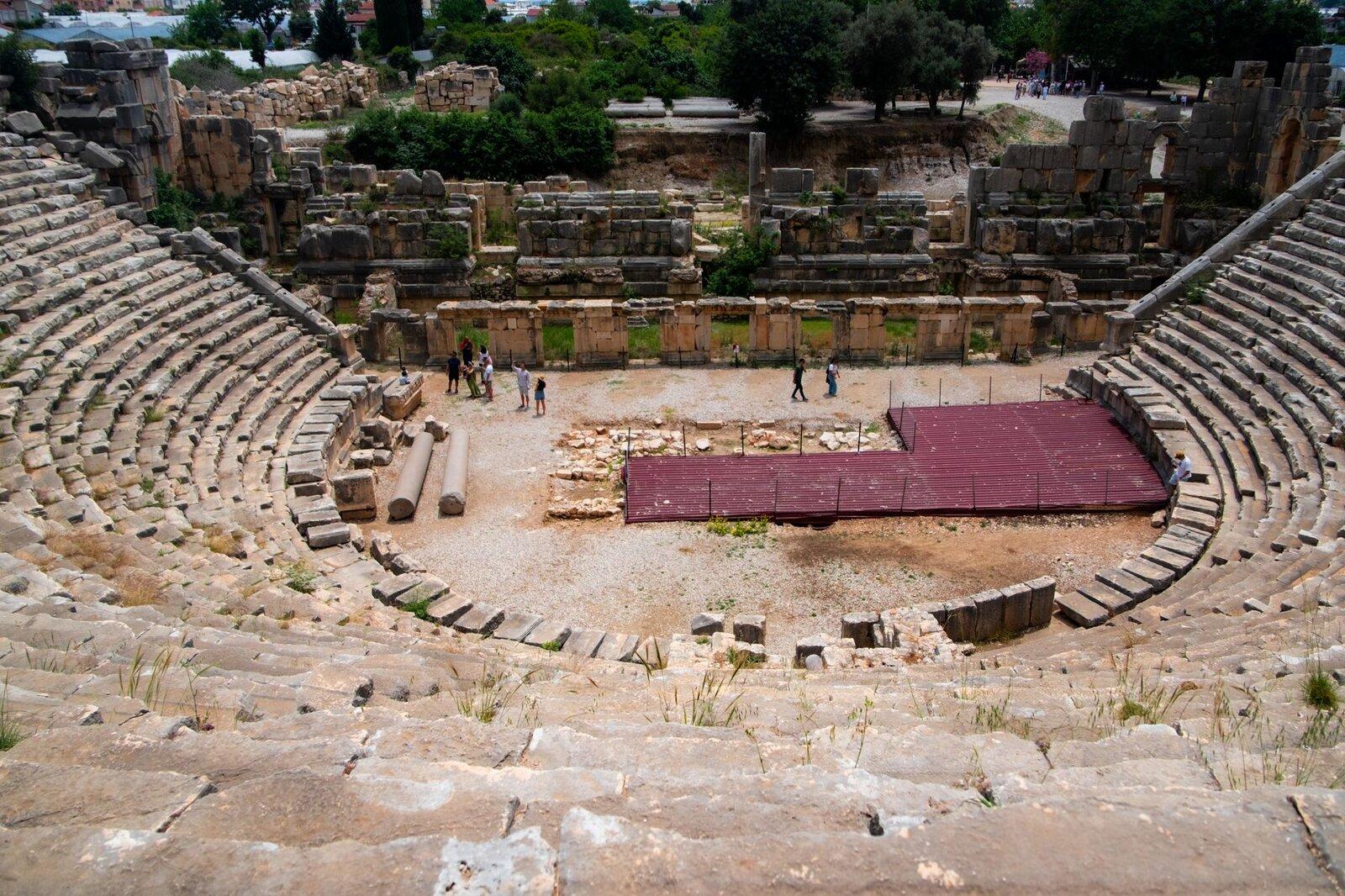
The Roman circus once held chariot races, but the modern city conceals much of its original footprint. Entering its vaulted passages is therefore more revealing than looking for a complete arena. The tunnels show how a vast entertainment building can survive inside later streets and houses.
Continue into the praetorium tower for the elevated view when access is open. By this point, the morning has moved from an outer defensive edge to the ceremonial heart of Tarraco without requiring transport.
Lunch belongs in the Part Alta. Allow €18–30 per person for a menú del dia or a relaxed meal, and look for rice, fish or a dish served with the region’s romesco tradition. El Serrallo is the stronger choice for a dedicated seafood meal, but adding the port neighbourhood at midday makes a one-day route less coherent.
The amphitheatre ends the Roman story at the sea
Walk downhill after lunch to the amphitheatre. Its position above the railway and water is not incidental scenery: the monument sat near the Roman shoreline and outside the city walls. Later religious remains within the arena add another visible layer to a site associated with spectacle and early Christian martyrdom.
If interior access is restricted, the surrounding park still gives a clear view into the structure. That is a better fallback than substituting an unrelated monument merely to use every line on the combined ticket.
Finish at the Balcó del Mediterrani, where Tarragona’s traditional gesture is to touch the iron railing—tocar ferro. From there, Rambla Nova leads naturally back toward the station. With extra energy, take a short waterfront detour; with none, sit above the sea. Either ending preserves what makes Tarragona work in one day: the route has moved steadily from walls to water, and the ancient city has remained part of the living one throughout.
Related guides
- Ten Days in Catalonia: Barcelona, Girona, Coast and Tarragona
Allocate ten Catalonia nights across Barcelona, Girona, the Costa Brava and Tarragona without losing whole days to transfers.
- One Day in Girona: The Perfect Walking Itinerary
A practical walking route through Girona’s riverside views, Jewish Quarter, cathedral, medieval walls, and quiet corners—ideal for a Barcelona day trip.
- Cadaqués and Cap de Creus: A Two-Day Plan
Plan two unhurried days in Cadaqués, Portlligat and Cap de Creus with the right parking, bookings and seasonal access checks.
Are you in the know?
Receive new articles, local updates, and occasional offers from selected partners. We never share your email address. Unsubscribe at any time.
By subscribing you agree to our privacy policy.