Itinerary
One Day in Girona: The Perfect Walking Itinerary
A practical walking route through Girona’s riverside views, Jewish Quarter, cathedral, medieval walls, and quiet corners—ideal for a Barcelona day trip.
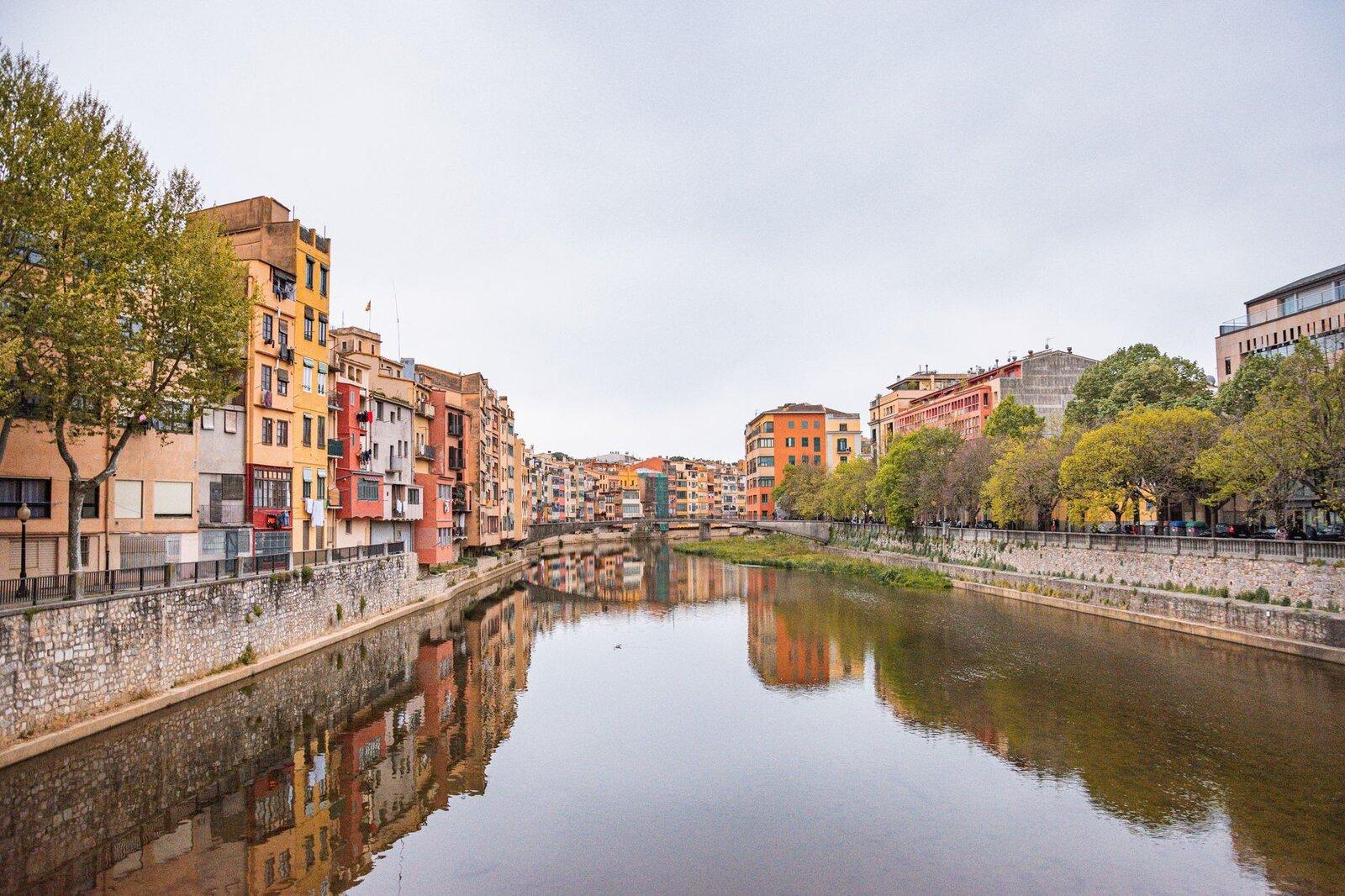
Girona is the rare day-trip city that feels coherent from the moment you cross the Onyar. The colorful river houses, steep stone lanes, cathedral, Jewish Quarter, and old walls all fit into a walkable center—yet the city never feels like a single preserved monument.
One day is enough for a strong first visit. Start by the river, climb gradually through the old town, walk the walls before lunch, and give the afternoon to quieter corners. The route below keeps backtracking to a minimum and still leaves time to stop when somewhere looks inviting.
Route, tickets, and timing for One Day in Girona
- Route: Girona station → Pont de Pedra → Rambla and Onyar bridges → Jewish Quarter → cathedral → Arab Baths → city walls → Plaça de la Independència → station.
- Walking: about 6–8 km, with steep lanes and stairs; allow 8–10 hours in the city and wear shoes with grip.
- Transport: Compare Barcelona–Girona trains — the fastest direct services take about 38 minutes. Regional journeys take longer and vary by service, so compare the live timetable rather than planning around one fixed duration.
- Budget: allow €35–70 per person, excluding the Barcelona train, for cathedral/Sant Feliu entry, Arab Baths, lunch, and coffee. In 2026 the cathedral combination is €7.50 standard and the Arab Baths €3.
- Book: ordinary monuments rarely require advance booking, but verify Sunday and worship hours. The city walls are free and open longer in summer.
The city council pages for Girona Cathedral and the Arab Baths. Recheck both on the chosen date because religious services and seasonal hours can alter access.
Morning: Cross the Onyar River
Begin near the Onyar River, which runs through the center of Girona. The rows of colorful houses facing the water create the city’s classic postcard view.
Several bridges connect the newer commercial district with the old town. The red iron Pont de les Peixateries Velles is one of the most recognizable.
Cross the river and walk toward Rambla de la Llibertat. This covered pedestrian street has cafés, shops, and historic façades, making it a pleasant place to begin exploring.
Enter the Jewish Quarter
From the Rambla, continue into the old town and the Jewish Quarter, known in Catalan as El Call.
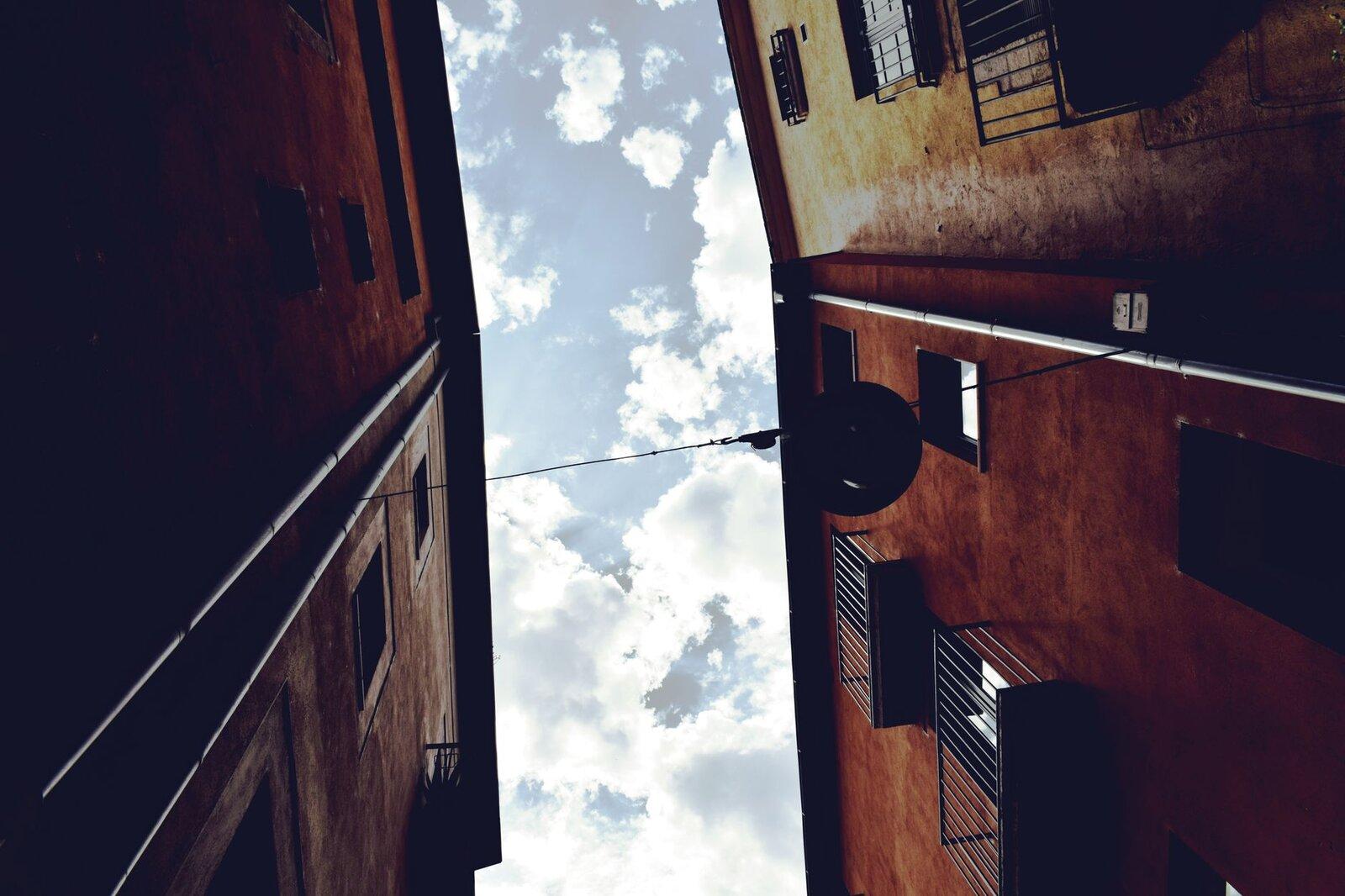
This neighborhood developed around Carrer de la Força and contains a dense network of stone passages, stairways, courtyards, and narrow streets. Girona was home to an important medieval Jewish community, and the quarter remains one of the best-preserved historic Jewish districts in Europe.
The Museum of Jewish History provides valuable context about the community that lived here until the end of the 15th century. Even if you do not enter the museum, take time to explore the surrounding lanes slowly.
Climb to Girona Cathedral
The broad staircase in front of Girona Cathedral is one of the city’s most dramatic sights. The building combines architectural elements created across several historical periods.
The cathedral dominates Girona’s skyline and stands at one of the highest points in the old town. From the surrounding streets, you will find views across tiled roofs and toward the green hills beyond the city.
Close to the cathedral are the Romanesque church of Sant Feliu and the Arab Baths, another of Girona’s most distinctive historic sites.
Walk the Medieval Walls
After visiting the cathedral area, continue toward the Passeig de la Muralla. Sections of Girona’s defensive walls are open as a walking route, with staircases and towers serving as observation points.
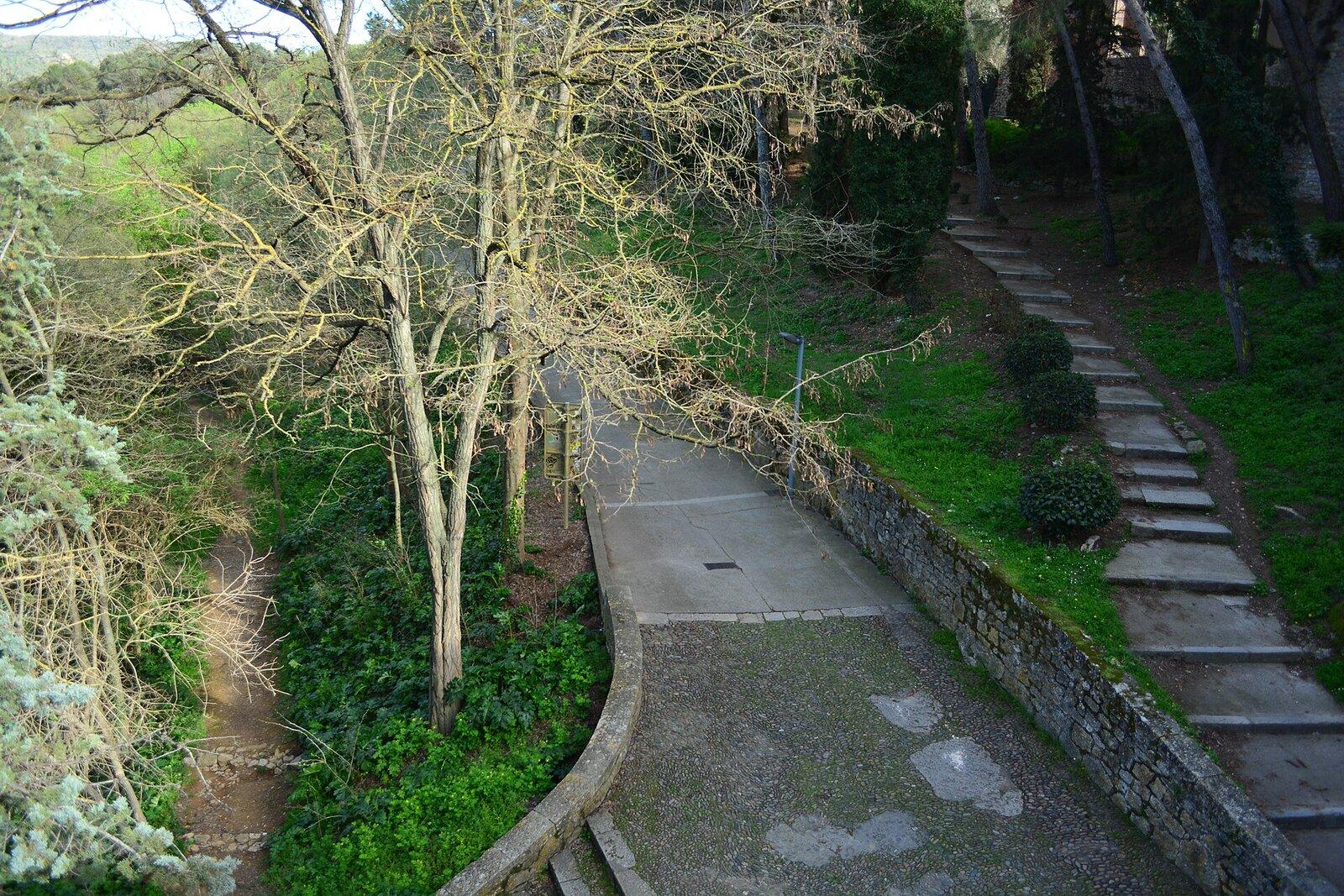
The walls offer some of the best views in Girona. On one side are the cathedral, church towers, and tightly packed roofs of the old town. On the other are gardens, wooded hills, and the newer parts of the city.
The route includes steps and uneven surfaces, so comfortable shoes are essential. If mobility is a concern, you can enjoy many of Girona’s principal sights without completing the walls.
Stop for a Catalan Lunch
Return toward the center for lunch. Girona’s food scene ranges from simple neighborhood restaurants to internationally known fine dining.
For a traditional meal, look for a restaurant serving a fixed-price weekday lunch menu, commonly called a “menú del dia.” Typical dishes may feature seasonal vegetables, rice, grilled meat, seafood, or local sausages.
Remember that lunch in Catalonia often starts later than in the United States or northern Europe. Restaurants may be relatively quiet at noon and considerably busier after 1:30 p.m.
Afternoon: Sant Pere de Galligants
After lunch, walk toward Sant Pere de Galligants, a Romanesque monastery near the edge of the old town. The monastery and the neighboring church of Sant Nicolau form one of Girona’s most atmospheric architectural ensembles.
This part of the city is generally quieter than the cathedral area. It is a good place to slow down before returning toward the river.
If you enjoy walking, continue through the nearby green spaces or follow the streets north of the historic center.
Evening by the River
Finish your day around Plaça de la Independència and the bridges of the Onyar.
Plaça de la Independència is surrounded by arcaded buildings containing restaurants and cafés. It is a convenient place for a drink, although exploring the smaller streets nearby may reveal quieter alternatives.
Cross one or two different bridges as the light changes. Girona’s riverside houses look particularly attractive in the late afternoon and early evening.
Getting to Girona
Girona is connected with Barcelona by rail, including high-speed and regional services. Journey times and departure stations vary, so check the timetable for your travel date before choosing a train.
The station is located within walking distance of the historic center. From there, it is easy to reach the river and begin this itinerary without using local transportation.
Drivers can combine Girona with Besalú, Pals, Peratallada, or the Costa Brava, although trying to include all of them in one day would feel rushed.
Is one day enough for One Day in Girona?
One day is enough for Girona’s central landmarks, but an overnight stay offers a different experience. The old town becomes quieter in the evening, and you can explore without watching the clock for your return train.
Compare overnight hotels in Girona inside or beside the old town so the evening river walk and morning walls do not depend on the last Barcelona train.
With two days, you can visit more museums, spend longer on the city walls, explore Girona’s food scene, and discover residential neighborhoods beyond the historic center.
Whether you visit for a few hours or an entire weekend, Girona deserves to be treated as more than a brief stop on the way to the Costa Brava.
Check the current Barcelona–Girona service and ticket conditions with Renfe before departure.
Related guides
- Tarragona in One Day: Roman Ruins and the Old Town
Walk Tarragona from its Roman walls through the Part Alta to the seafront amphitheatre, with current monument tickets and timing.
- A First Catalonia Trip Without Barcelona: Three Rail Bases
Build a six- or seven-night first Catalonia trip around Girona, Vic and Tarragona, with a simpler two-base fallback for rail disruption.
- Ten Days in Catalonia: Barcelona, Girona, Coast and Tarragona
Allocate ten Catalonia nights across Barcelona, Girona, the Costa Brava and Tarragona without losing whole days to transfers.
Are you in the know?
Receive new articles, local updates, and occasional offers from selected partners. We never share your email address. Unsubscribe at any time.
By subscribing you agree to our privacy policy.