Coast
Cadaqués and Cap de Creus: A Two-Day Plan
Plan two unhurried days in Cadaqués, Portlligat and Cap de Creus with the right parking, bookings and seasonal access checks.
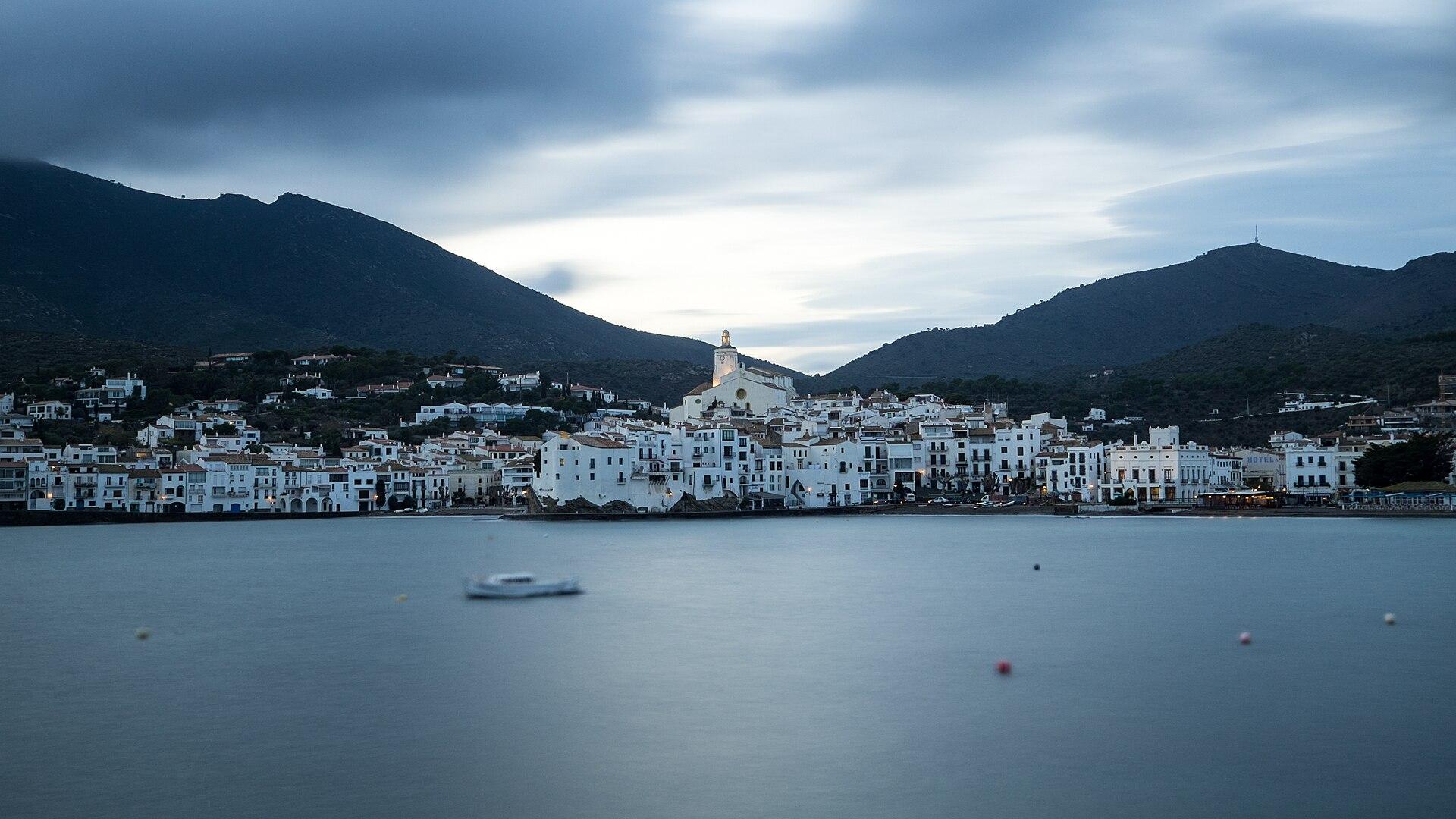
Cadaqués and Cap de Creus fit on the same map, but not comfortably into the same rushed afternoon. The town asks for slow walking; Portlligat runs on fixed admission times; the cape can impose seasonal vehicle controls, strong wind or fire restrictions. One overnight turns those competing clocks into a coherent trip.
Give Cadaqués and the Cape Separate Days
- Day one: entrance parking or bus stop → waterfront → Santa Maria lanes → Portlligat → dinner in Cadaqués.
- Day two: Cap de Creus by the transport permitted that day → lighthouse area or a signed walk → return.
- Time: two days and one night; expect 5–7 km on foot in town and Portlligat before any park hike.
- Budget: about €55–100 per person excluding accommodation, depending on transport, museum entry and meals.
- Book first: a timed Salvador Dalí House-Museum visit, then lodging; verify park access last because controls respond to season and conditions.
There is no railway station in Cadaqués. Buses approach from Figueres; drivers cross a winding final road and should leave the car at the edge rather than hunt for a space among the old lanes. The official parking page places the Saba facility by the entrance roundabout and describes Portlligat as 1.5 km away and Cap de Creus as about 8 km away. Reconfirm parking and seasonal controls before departure.
Day one belongs to Cadaqués on foot
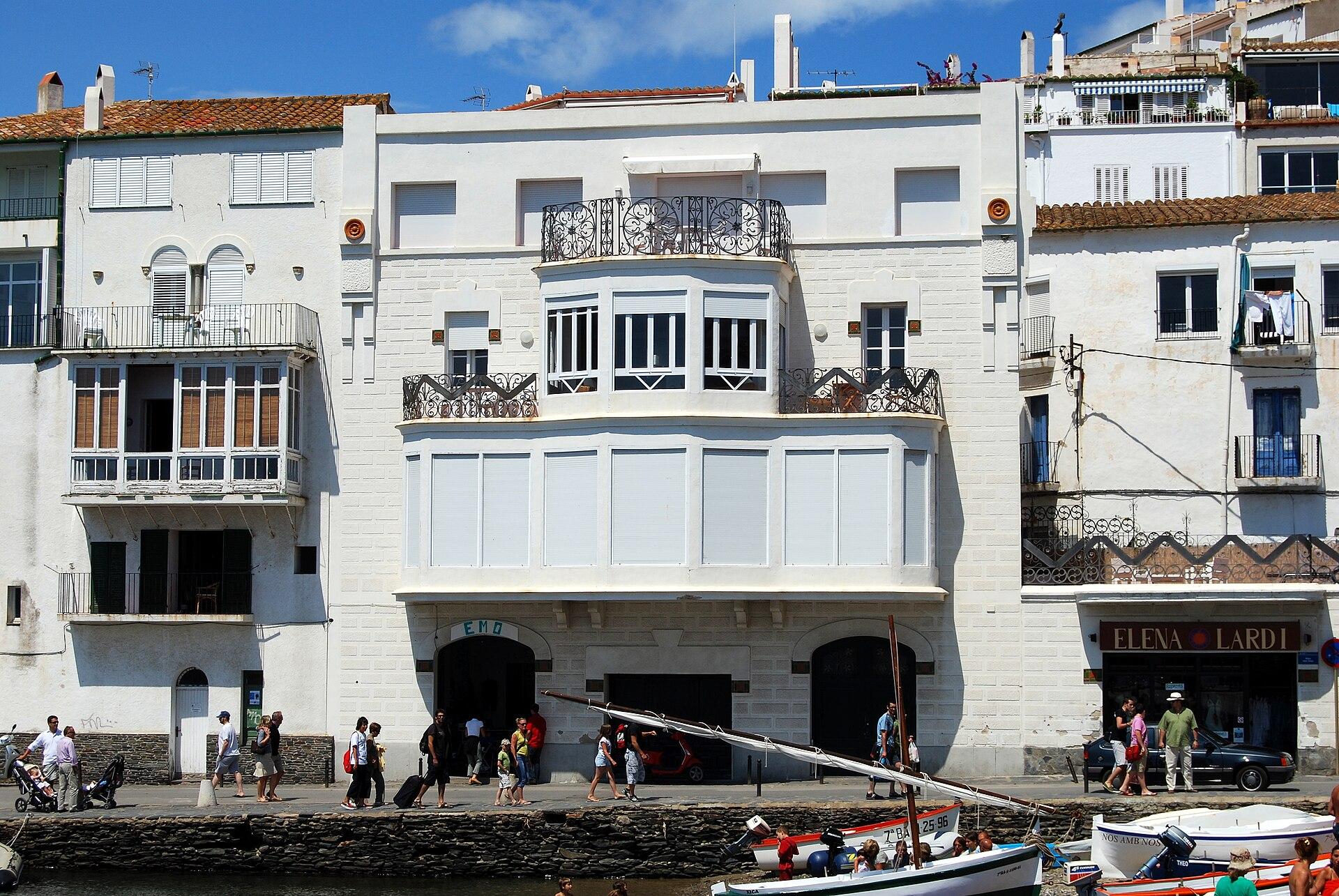
Start along the waterfront, then climb the irregular stone lanes toward Santa Maria. The height reveals the bay’s tight curve and the steep ground hidden by the familiar white façades. Good shoes matter more than a long list of sights: the old centre is compact but repeatedly climbs and descends.
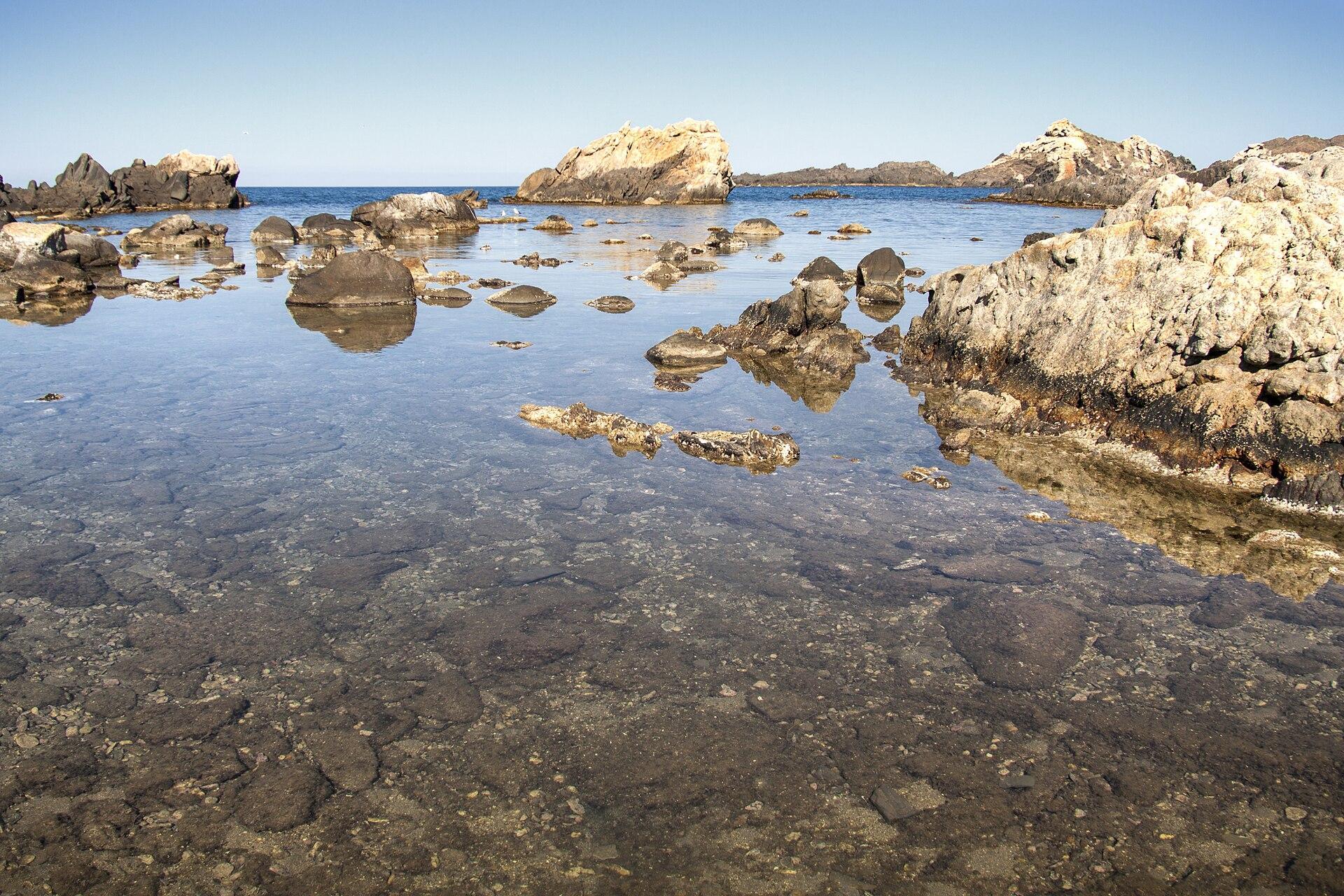
Come down through a different lane and follow the shore toward Portlligat. Allow about 30 minutes each way from central Cadaqués, more in heat. Small coves and rocky bathing points line the bay, but they are not substitutes for supervised sandy beaches; check sea conditions and avoid slippery access when the tramuntana is blowing.
Lunch timing should follow the Portlligat ticket, not the reverse. A simple meal and coffee can reasonably cost €20–35 per person; reserve dinner on summer weekends because the town’s apparent abundance narrows quickly at the popular hour.
Portlligat runs on a timed door
The Salvador Dalí House grew from fishermen’s huts, so its rooms are intimate and visitor numbers are controlled. The official House-Museum page requires advance booking and publishes the live calendar and ticket price. In August 2026, general online admission varied by season; use the amount shown for your date rather than an old screenshot.
Arrive at the collection point at the time stated in the booking instructions. A missed slot is difficult to rescue, especially when the day is full. Visitors with mobility needs should read the access information before paying: the historic layout is not equivalent to a purpose-built step-free gallery.
Even without a ticket, Portlligat’s public shore explains why the bay suited a working home. It does not, however, provide access to the interiors or private grounds. If tickets are sold out, give the time back to Cadaqués rather than trying to peer over boundaries.
Cap de Creus needs its own morning
Set out early, carrying water, sun protection and a wind layer. The exposed rock provides little shade, and strong tramuntana can make an easy-looking path tiring. Choose one signed objective—a lighthouse-area walk or a defined coastal section—instead of collecting distant coves on a vague loop.
Private-vehicle access to the cape has been regulated in busy periods, with arrangements and hours capable of changing. Check the park notices and Cadaqués tourism shortly before departure. If a shuttle is operating, confirm its departure point, last return and whether tickets are bought on board or in advance. Never drive past a closure because an older map shows parking at the lighthouse.
In high fire risk, extreme heat or severe wind, keep the cape to a short permitted viewpoint or omit it. The safer replacement is a dawn waterfront walk and a longer breakfast in Cadaqués, not an improvised route through closed terrain.
Why the overnight earns its cost
Once day visitors leave, the same waterfront becomes easier to read as a lived-in town. Staying also protects the Dalí booking from a same-day road delay and lets you approach the cape before heat and traffic build.
Compare Cadaqués stays within walking distance of the centre, but check the real route from parking to reception: “central” can still mean steep steps and a luggage carry.
With only one day, choose either Portlligat or Cap de Creus after the old town. Trying to force both around a fixed museum entry and regulated park access produces the least attractive version of each. The overnight is not about adding more stops; it separates the two commitments that cannot reliably share one clock.
Related guides
- Tarragona in One Day: Roman Ruins and the Old Town
Walk Tarragona from its Roman walls through the Part Alta to the seafront amphitheatre, with current monument tickets and timing.
- Costa Brava Road Trip: Coves, Villages and Coastal Towns
A three-to-five-day Costa Brava drive from Tossa de Mar to Girona—coastal towns, hidden coves, and medieval Empordà villages.
- Ten Days in Catalonia: Barcelona, Girona, Coast and Tarragona
Allocate ten Catalonia nights across Barcelona, Girona, the Costa Brava and Tarragona without losing whole days to transfers.
Are you in the know?
Receive new articles, local updates, and occasional offers from selected partners. We never share your email address. Unsubscribe at any time.
By subscribing you agree to our privacy policy.