Itinerary
Costa Brava Road Trip: Coves, Villages and Coastal Towns
A three-to-five-day Costa Brava drive from Tossa de Mar to Girona—coastal towns, hidden coves, and medieval Empordà villages.
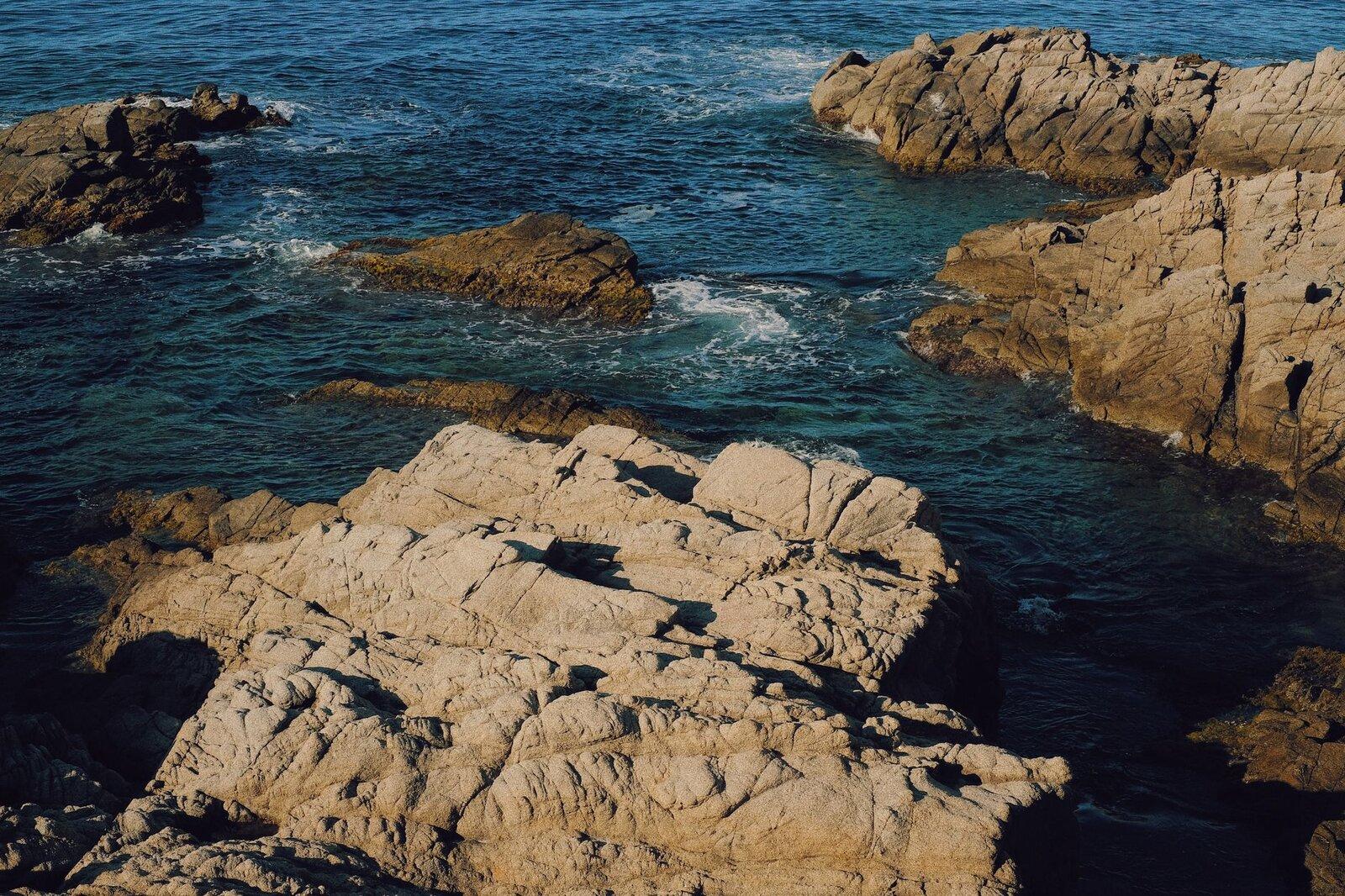
The Costa Brava is not one continuous beach road. It is a coast of headlands and detours, where the most tempting cove may sit at the bottom of a steep lane and the best lunch can quietly consume the afternoon. That geography is exactly why a road trip works here.
Give the central coast four or five days. Start in Tossa de Mar, slow down around Calella de Palafrugell and Begur, move inland through Pals and Peratallada, and finish in Girona. The route below favors short drives and time on foot over daily hotel changes.
Route, Distance, and Budget
- Route: Barcelona → Tossa de Mar → Sant Feliu de Guíxols → Calella de Palafrugell/Llafranc → Begur → Pals and Peratallada → Girona → Barcelona.
- Distance: roughly 300–350 km total including the Barcelona loop, before cove detours; plan 4 nights and no more than two accommodation bases on the coast.
- Driving: main legs are short, but summer parking and cove roads can double the apparent travel time. Reach beaches before 09:30 or use town parking and walk.
- Budget: excluding car hire, allow €110–200 per person per day for a shared mid-range room, meals, fuel, and parking. Car hire can add €40–90 per day before insurance and fuel.
- Book: reserve summer rooms, rental car, and one special meal 2–4 months ahead. Avoid a manual-transmission booking unless every driver is comfortable on steep lanes.
Use the official Costa Brava destination guide for current local information and the accommodation’s instructions for parking; prices vary sharply by month.
Start in Tossa de Mar
Tossa de Mar offers one of the most memorable first views of the Costa Brava. Its old town, known as Vila Vella, sits above the main beach behind preserved defensive walls and towers.
Walk through the old town in the morning before exploring the coastal paths around the headland. Although Tossa is a popular resort, its historic center and surrounding landscape retain a strong sense of place.
Spend the night here or continue north after lunch.
Follow the Coast to Calella de Palafrugell
Calella de Palafrugell is a former fishing village made up of white buildings, small beaches, and waterfront arches where fishermen once stored their boats.
The village is particularly pleasant early in the morning and during the evening, when the beaches become quieter. Instead of treating it as a quick photo stop, stay long enough to walk part of the coastal path.
The path connecting Calella de Palafrugell with neighboring Llafranc is accessible to many visitors and offers continuous Mediterranean views. From Llafranc, the landscape rises toward the Sant Sebastià lighthouse.
Explore the Coves of Begur
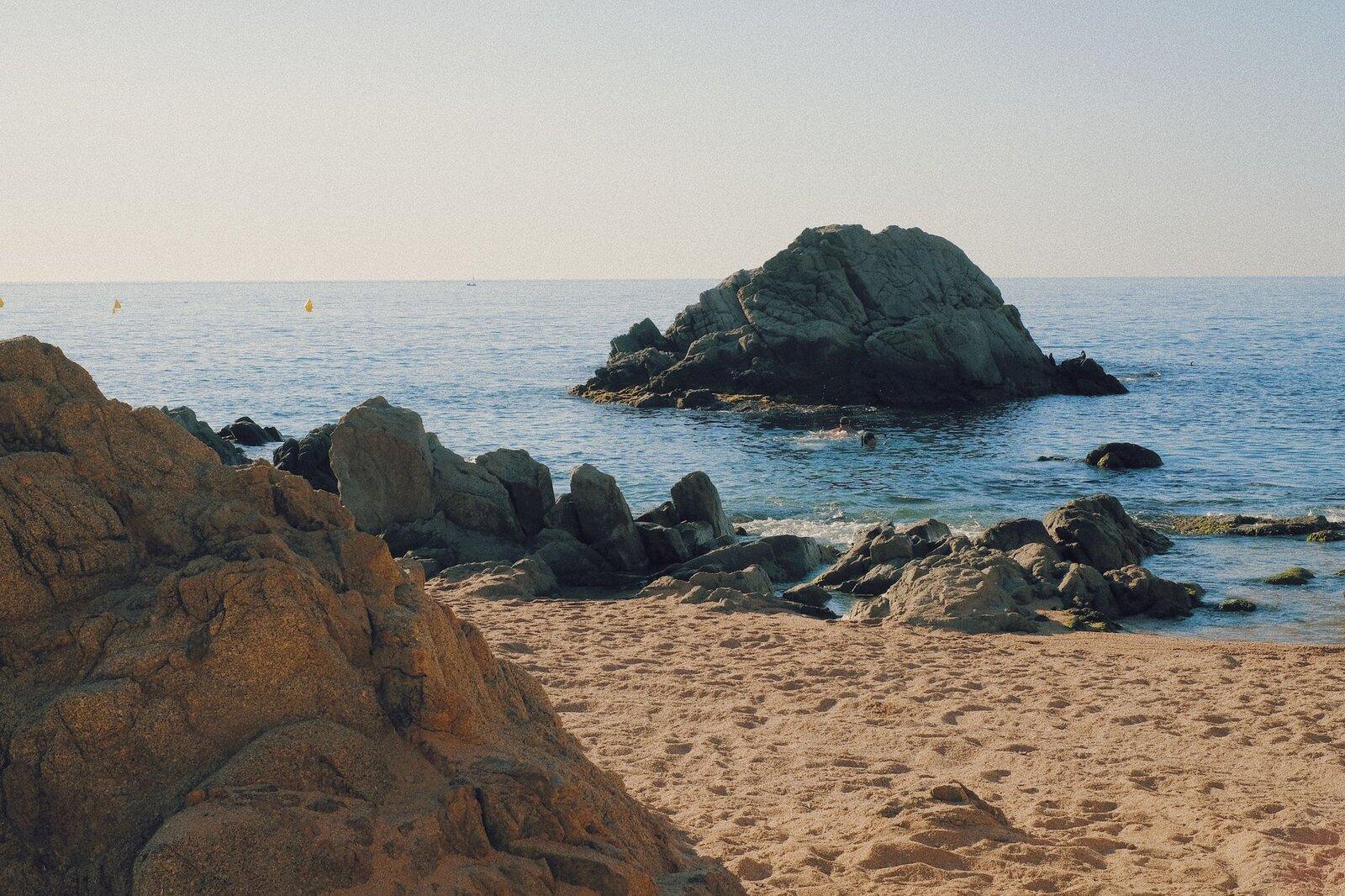
Begur sits inland from some of the central Costa Brava’s most attractive coves. The town itself is dominated by the remains of a hilltop castle, while its surrounding coastline includes places such as Sa Tuna, Sa Riera, Aiguablava, and Platja Fonda.
Each cove has a different character. Some offer more services and easier access, while others require a walk or a steep descent.
During the busiest summer weeks, parking near the beaches can be limited. An early start makes the experience considerably easier. Spring and early autumn are especially attractive for walking and sightseeing because temperatures are often more comfortable and the coast is less crowded.
Step Back in Time in Pals
A short drive inland brings you to Pals, one of the best-preserved medieval villages in the Baix Empordà.
Walk uphill through its stone streets toward the historic center and viewpoints. From the upper village, you can look across farmland toward the coast and the hills beyond.
Pals is compact, so two or three hours are normally enough for a relaxed visit. It also makes an appealing lunch stop between the coast and Peratallada.
Continue to Peratallada
Peratallada is another beautiful medieval village, but it feels different from Pals. Its old center is a maze of narrow lanes, arches, courtyards, and buildings constructed from warm-colored stone.
Cars remain outside the central historic area, making the village especially enjoyable on foot. Restaurants occupy many of its old houses and hidden terraces, so Peratallada is a good place for dinner.
Stay nearby if you want to experience the village after the daytime visitors leave.
Finish in Girona
End the road trip in Girona, where the Onyar River separates the commercial center from the steep streets of the old town.
Allow at least one full day to explore the Jewish Quarter, Girona Cathedral, the Arab Baths, and the medieval walls. In the evening, walk along the river and explore the streets around Rambla de la Llibertat and Plaça de la Independència.
Girona is also a practical place to return a rental car or continue your journey by train.
How Many Days Do You Need?
Three days are enough for the main stops, but the route is better with four or five:
- Day 1: Tossa de Mar
- Day 2: Calella de Palafrugell and Llafranc
- Day 3: Begur and its coves
- Day 4: Pals and Peratallada
- Day 5: Girona
If you have additional time, continue north toward Figueres, Cadaqués, Cap de Creus, and the monastery of Sant Pere de Rodes.
Practical Costa Brava Tips
A car offers the greatest flexibility, particularly when visiting beaches and medieval villages. Avoid leaving luggage visible inside a parked vehicle, even during short stops.
In summer, reserve accommodation in advance and reach popular coves early. Some coastal roads and village streets are narrow, so choose a smaller rental car if possible.
Do not plan every hour. Some of the best Costa Brava experiences are unplanned: following a coastal path, discovering a nearly empty cove, or extending lunch because the terrace is simply too pleasant to leave.
That freedom is what makes the Costa Brava such a rewarding road-trip destination.
Compare Costa Brava overnight stays after verifying where it starts, what the price includes, and how changes or accessibility are handled.
Related guides
- Ten Days in Catalonia: Barcelona, Girona, Coast and Tarragona
Allocate ten Catalonia nights across Barcelona, Girona, the Costa Brava and Tarragona without losing whole days to transfers.
- Tarragona in One Day: Roman Ruins and the Old Town
Walk Tarragona from its Roman walls through the Part Alta to the seafront amphitheatre, with current monument tickets and timing.
- Cadaqués and Cap de Creus: A Two-Day Plan
Plan two unhurried days in Cadaqués, Portlligat and Cap de Creus with the right parking, bookings and seasonal access checks.
Are you in the know?
Receive new articles, local updates, and occasional offers from selected partners. We never share your email address. Unsubscribe at any time.
By subscribing you agree to our privacy policy.