Itinerary
Five Days by Train: Barcelona, Girona and Tarragona
A five-day rail plan linking Barcelona, Girona, and Tarragona with sensible hotel changes, station buffers, and a realistic daily budget.
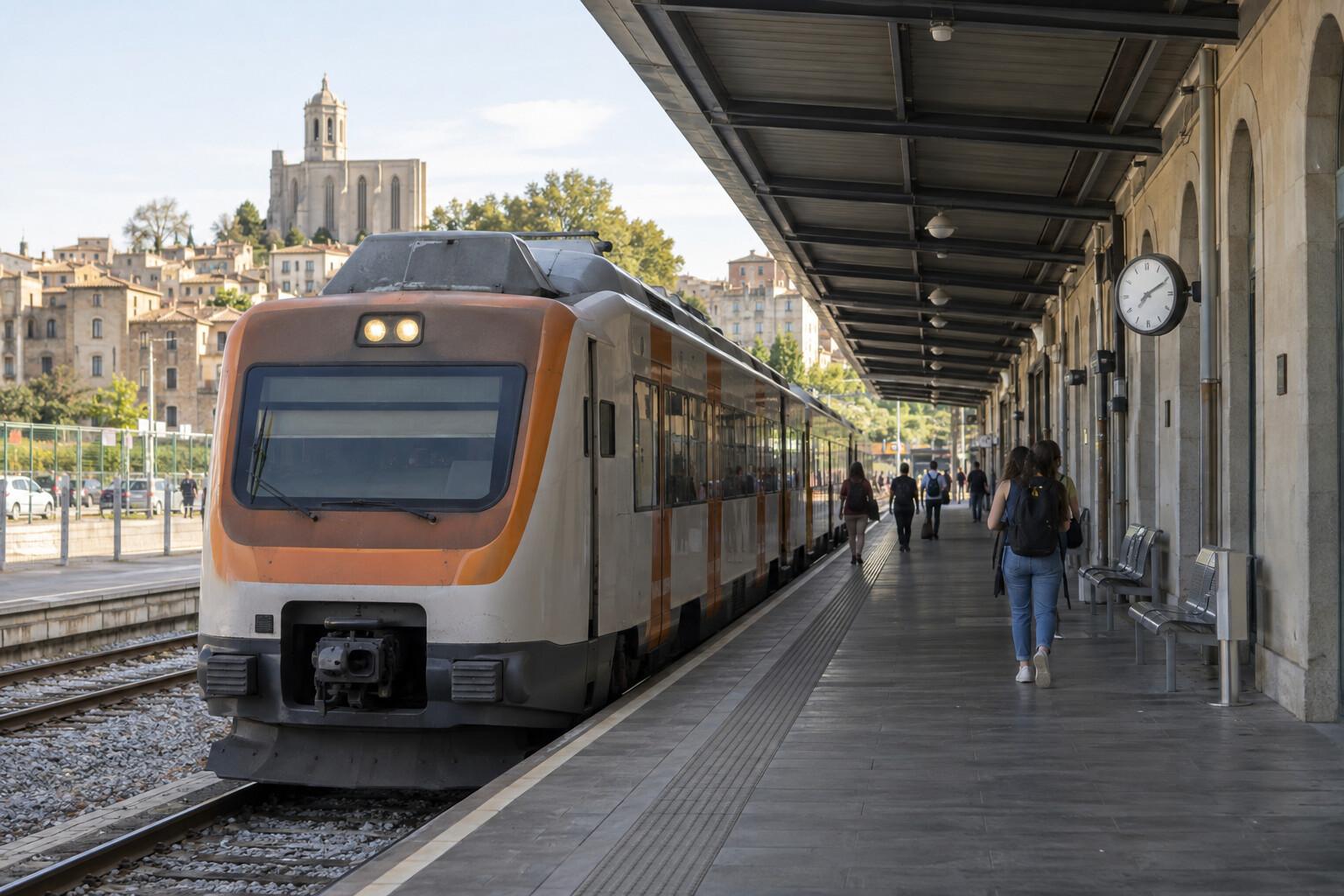
A five-day rail trip works when the hotels do less moving than the travelers. Barcelona, Tarragona, and Girona form a clean line, but sleeping in all three creates two rushed checkout mornings. Use Barcelona for the first two nights, Girona for the final two, and visit Tarragona as a return day trip before traveling north.
- Route: Barcelona for two nights → Tarragona return day → Girona for two nights.
- Total time: five days and four nights; allow 60–90 minutes for each intercity rail leg plus station margin.
- Transport: regional or high-speed rail, chosen by fare and arrival station rather than speed alone.
- Working budget: €470–900 per person sharing rooms, including rail, four nights, admissions, and ordinary meals.
- Book first: the two hotels, any high-speed tickets, and timed-entry Barcelona attractions.
The Rodalies de Catalunya journey tools are the primary check for regional services and disruption. High-speed operators sell separate inventory, so compare the exact station pair and conditions before paying.
Days one and two belong to Barcelona, not the railway
Arrive, leave luggage at the hotel, and choose one compact district rather than crossing the city repeatedly. The Gothic Quarter and waterfront make a coherent first afternoon; Eixample and one reserved Modernisme interior make a coherent second day. A station-area hotel is useful only if it also suits the evenings you want.
Allow €18–35 per person for a casual lunch and dinner at the lower end, more if drinks and a full restaurant meal matter. Urban transport adds roughly €5–12 daily depending on ticket choice. Keep the first timed attraction at least two hours after the expected arrival; flight and baggage delays are more common than a perfect opening day.
Tarragona is the day trip that protects the luggage plan
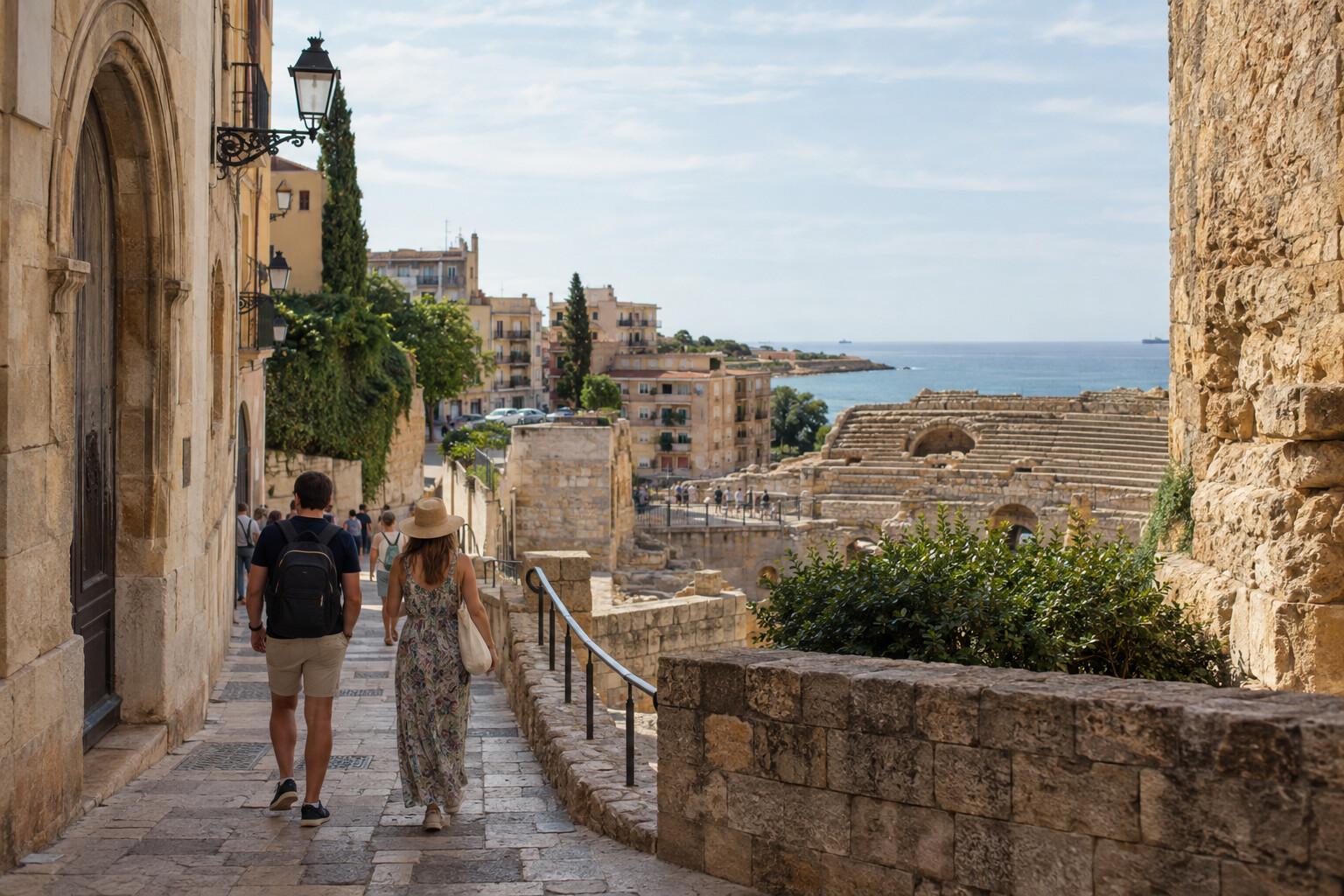
Leave from Barcelona Sants after breakfast and identify whether the ticket arrives at central Tarragona or Camp de Tarragona outside the city. That distinction matters more than a headline journey time. Central Tarragona lets you walk uphill toward the Roman and medieval core; Camp de Tarragona requires a planned onward transfer.
Give the city six hours on foot. Start with the archaeological area that matters most to you, continue toward the cathedral lanes, then descend toward the Mediterranean balcony and station. Budget €8–20 for admissions and €20–35 for lunch. In heavy rain, reduce the exposed circuit and spend longer in one museum rather than chasing every outdoor remain.
Compare Barcelona–Tarragona rail options, checking the arrival station, change conditions, and refund rules before treating the fastest result as the best one.
Move north once, after breakfast on day three
Check out of Barcelona and take a morning train to Girona. Leave at least thirty minutes beyond the advertised journey for finding the platform and orienting yourself on arrival. Girona station is west of the old town; most central hotels are a walk or short taxi ride away, but cobbles and steps change the calculation with heavy luggage.
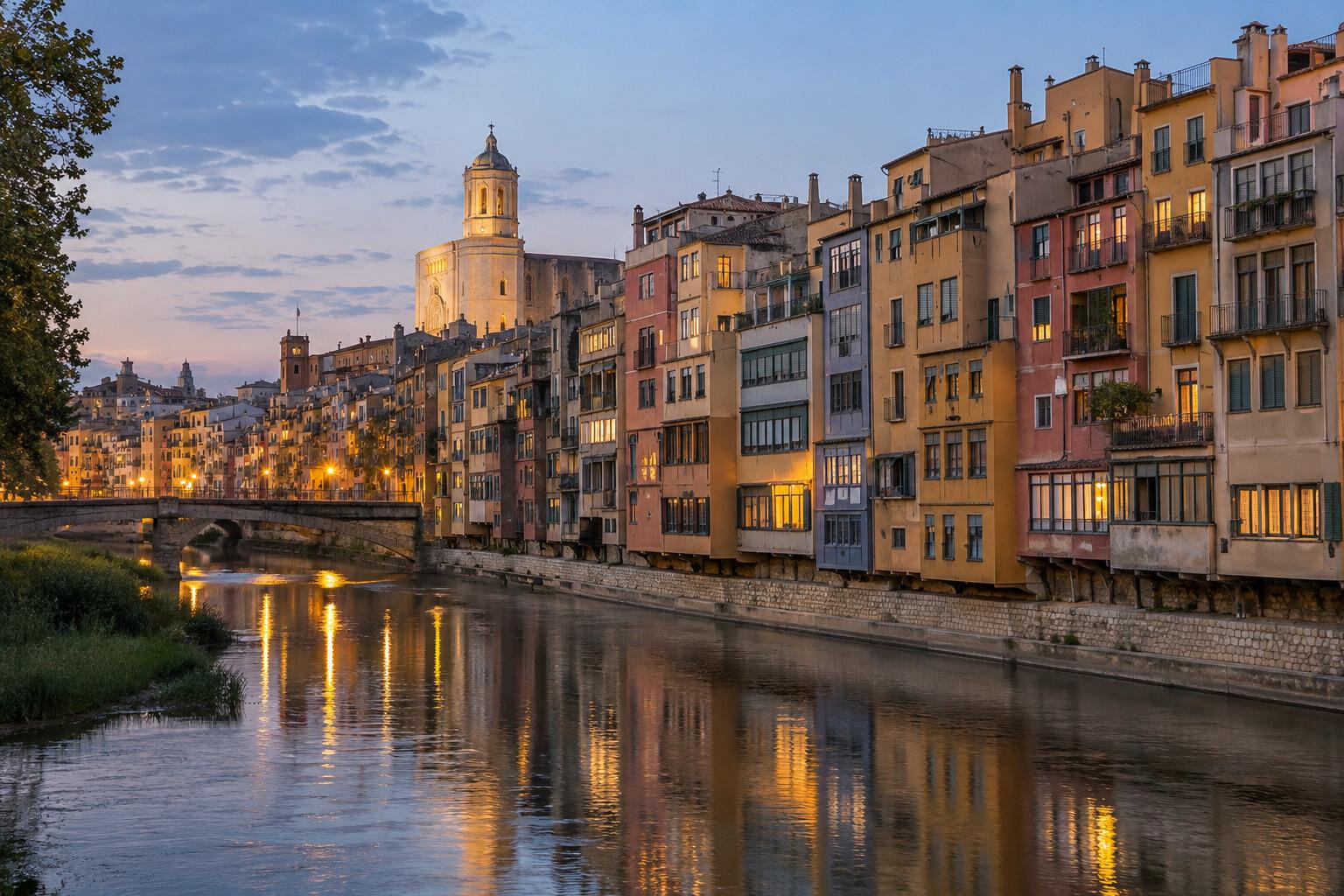
After bag drop, follow the Onyar into the old city and reserve the walls for good visibility. The point is to settle into Girona, not to convert the transfer into another full excursion. Dinner in the center rewards staying overnight after the day visitors leave.
Day four can stretch toward Figueres or stay in Girona
Choose Figueres only if the Dalí Theatre-Museum is a priority and a timed ticket is available. Otherwise, Girona easily supports another day through the cathedral area, Jewish quarter, riverside neighborhoods, and a longer lunch. This is the trip's deliberate compression point: dropping the extra train produces a calmer, not lesser, itinerary.
If you do travel north, work backward from the reserved museum entry and leave a full service of margin for the return. Do not add Cadaqués to the same public-transport day; the bus connection changes the scale and risk of the outing.
Day five ends according to the flight, not the map
For a late departure, spend the morning in Girona and take a through train toward Barcelona. For an early flight, return to Barcelona on day four and accept that the final Girona evening disappears. Girona–Barcelona service disruption can make a tight airport chain brittle, especially when separate tickets offer no protection.
The route is strongest for travelers who want three contrasting cities without a car. It is weaker for anyone whose priority is rural landscape or small villages, where bus frequency and luggage handling become the trip. Five days can hold Barcelona, one Roman day, and Girona well; it cannot also hold every famous coast and mountain.
Related guides
- A First Catalonia Trip Without Barcelona: Three Rail Bases
Build a six- or seven-night first Catalonia trip around Girona, Vic and Tarragona, with a simpler two-base fallback for rail disruption.
- Seven Days in Catalonia by Train: A First-Trip Itinerary
A workable Barcelona–Girona–Figueres–Tarragona rail week with station choices, realistic buffers, and an indicative budget.
- Catalonia by Train with Children: A Six-Day Plan
A child-paced six-day train itinerary with Barcelona, Montserrat, Girona, short station walks, family-room checks, and rain alternatives.
Are you in the know?
Receive new articles, local updates, and occasional offers from selected partners. We never share your email address. Unsubscribe at any time.
By subscribing you agree to our privacy policy.