Itinerary
Seven Days in Catalonia by Train: A First-Trip Itinerary
A workable Barcelona–Girona–Figueres–Tarragona rail week with station choices, realistic buffers, and an indicative budget.
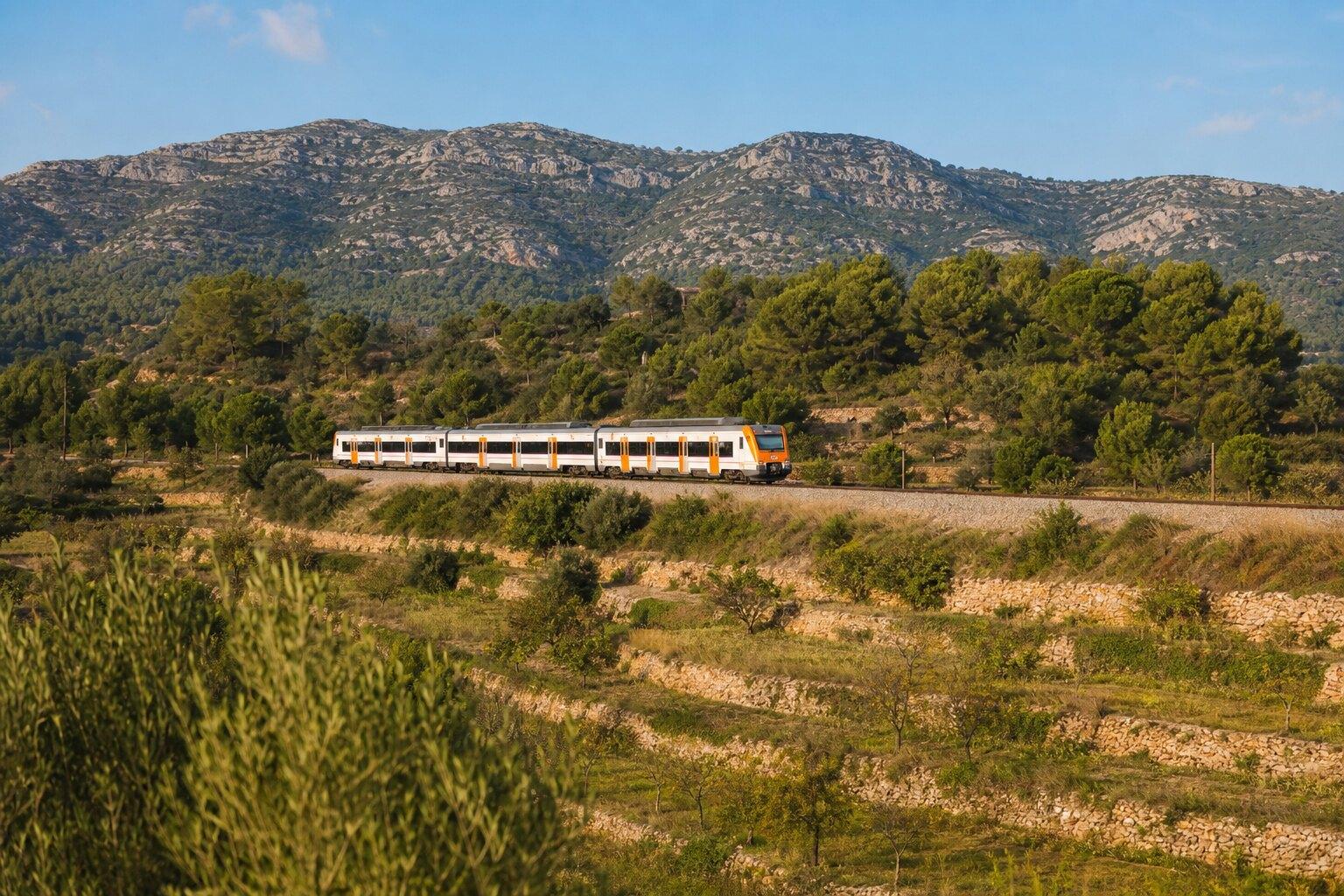
A first rail week in Catalonia works with three bases: Barcelona, Girona and Tarragona. Figueres is a day trip from Girona, not another checkout. This creates city, art and coast without turning the holiday into a sequence of platforms and luggage rooms.
The critical distinction is between stations, not destinations. Figueres conventional station is close to the centre; Figueres Vilafant high-speed station is outside it. Tarragona city station sits below the old centre; Camp de Tarragona is a separate high-speed station beyond town. The fastest train can produce the slowest door-to-door arrival.
Days one and two: let Barcelona absorb arrival
Use the first day for the hotel neighbourhood and one walk. A delayed flight should cost an evening, not a museum reservation or the train to Girona. On day two, choose one Barcelona district and one timed sight rather than trying to “finish” the city before leaving.
Stay where the station journey is simple, not automatically beside Sants. Passeig de Gràcia or another stop may serve a particular train, while an early departure can make Sants worthwhile. Compare Barcelona hotels for the rail week by the actual departure station, lift access and luggage storage.
Day three: travel light to Girona
Take a morning or midday train after comparing routes. High-speed seats and ordinary regional trains have different fare and reservation rules; identify the train type before paying.
Girona station is an easy walk from much of the modern centre, but the old city's cobbles, stairs and slopes change the last kilometre. Leave luggage, cross the river and give the afternoon to the historic core. Sleeping two nights means there is no reason to carry bags through it.

Day four: choose the right Figueres
For the Dalí Theatre-Museum and central Figueres, a conventional R11 train to Figueres station often gives the simplest arrival. High-speed service to Figueres Vilafant may be quicker on rails but requires an onward bus, taxi or longer walk. Match the ticket to the museum slot and station transfer, not the headline journey time.
Rodalies' July 2026 R11 and RG1 update records the restored service after infrastructure works, a reminder that construction can temporarily reshape this corridor. Recheck live notices for the actual date and keep one later return to Girona.
If the museum is sold out, do not buy a vague resale product. Spend the extra day in Girona, visit another verified Figueres museum or move the Tarragona transfer earlier.
Day five: cross Barcelona without gambling on it
Girona to Tarragona usually means returning through Barcelona unless the selected service shows a protected alternative. Give the connection a real margin, especially when tickets or train types are separate. Lunch is the flexible part of this day; the second hotel check-in is not.
For central Tarragona, choose Tarragona station even when a high-speed search promotes Camp de Tarragona. The latter can work when a taxi or bus is deliberately included, but it is not the station beside the amphitheatre.
Use the evening for the Balcó del Mediterrani and lower streets. The ascent to the old city is part of the visit and can be reduced by taxi when luggage or mobility makes it unreasonable.
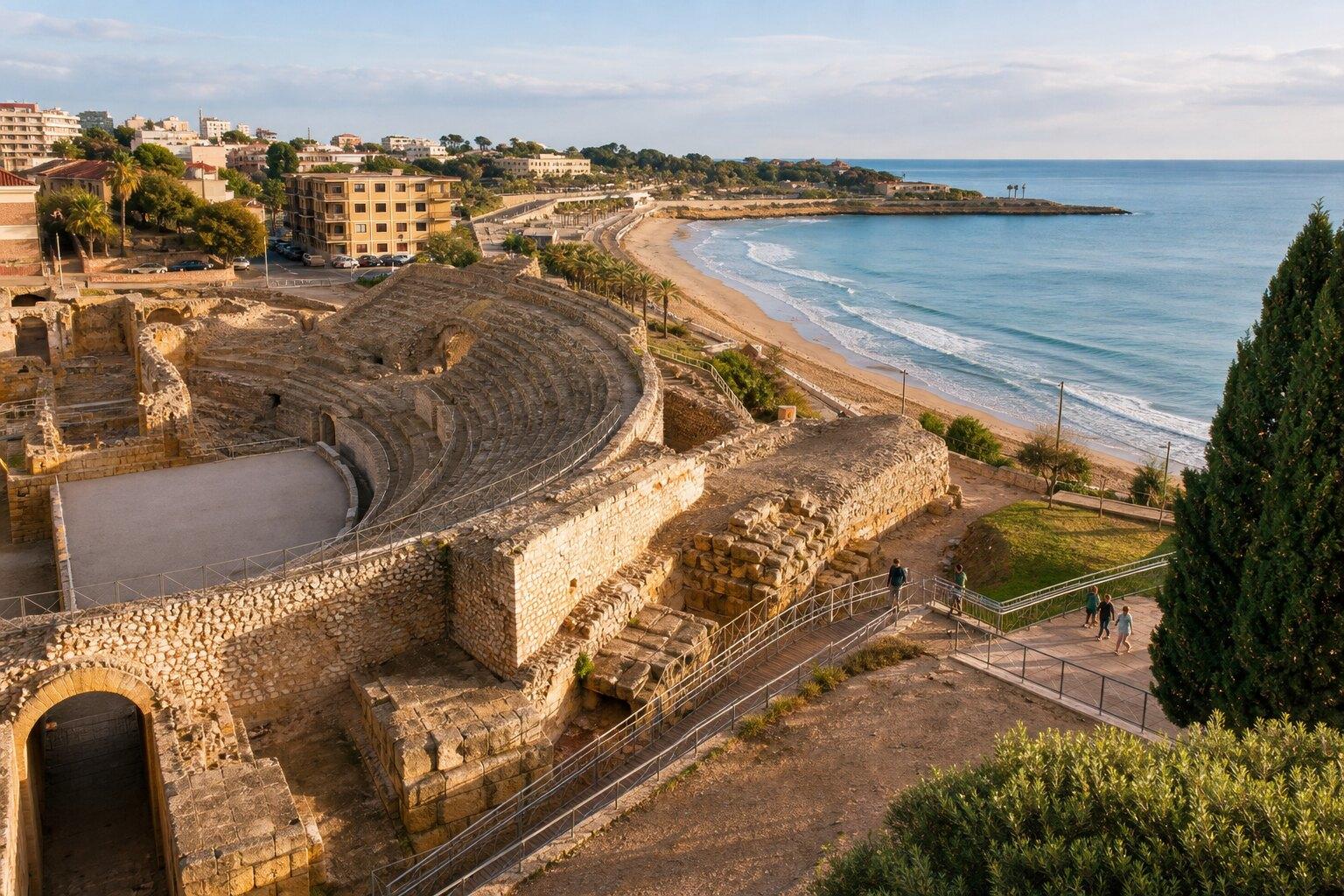
Day six: Roman city, then sea
Give the cooler morning to Tarragona's archaeological landscape and indoor museum time to the hottest hours. Add a beach only after the principal visit rather than squeezing Roman sites between swims. Opening hours, free days and restoration closures should be checked with the individual monument.
If heat or rain makes the outdoor circuit unsuitable, deepen the indoor visit and eat slowly. A rail itinerary is strongest when the city itself supplies the fallback.
Day seven: return with the flight outside the chain
Travel back to Barcelona with enough margin for disruption. An evening flight after an early train can work, but a tight sequence of regional train, luggage retrieval and airport check-in is fragile. For a morning departure, spend the sixth night in Barcelona instead and reduce Tarragona to one night.
Keep the ticket strategy simple
Price the exact departures before deciding that a pass saves money. Reserve high-speed trains and timed museums; leave ordinary regional legs flexible where possible. Store tickets, identification, train numbers and hotel addresses offline, and check the final useful service each evening.
One case per traveller should be liftable without help. Three bases already mean several platforms, hotel desks and stone streets. Extra clothing has less value than the ability to change platforms calmly.
Build the budget from six actual room nights, the selected trains, admissions and a daily food allowance. Avoid generic rail estimates: fare conditions and festival weekends move the total more than a neat range suggests.
The week is successful when Barcelona frames the journey, Girona provides an unhurried northern base and Tarragona closes it by the sea. Figueres adds art without adding a move. Information checked 17 August 2026; recheck official train notices and every timed entry shortly before purchase and departure; see Renfe official timetable search.
Related guides
- Three Days in Barcelona and Catalonia: A First-Time Itinerary
A balanced first itinerary combining Barcelona with one carefully chosen Catalan day trip.
- Five-Day Catalonia Family Road Trip: A Low-Stress Loop
A five-day family loop through Montserrat, Cardona, La Garrotxa, and the Costa Brava with short drives and weather fallbacks.
- Barcelona to Roman Tarragona: Use the Central Train Station
Arrive at Tarragona station near the sea, then climb through the amphitheatre, circus and Part Alta before an unhurried return.
Are you in the know?
Receive new articles, local updates, and occasional offers from selected partners. We never share your email address. Unsubscribe at any time.
By subscribing you agree to our privacy policy.