Itinerary
Catalonia Beyond Barcelona: 7 Places Worth Adding
Choose two contrasting places beyond Barcelona—a historic city, mountain sanctuary, medieval village, volcanic landscape or coastal base.
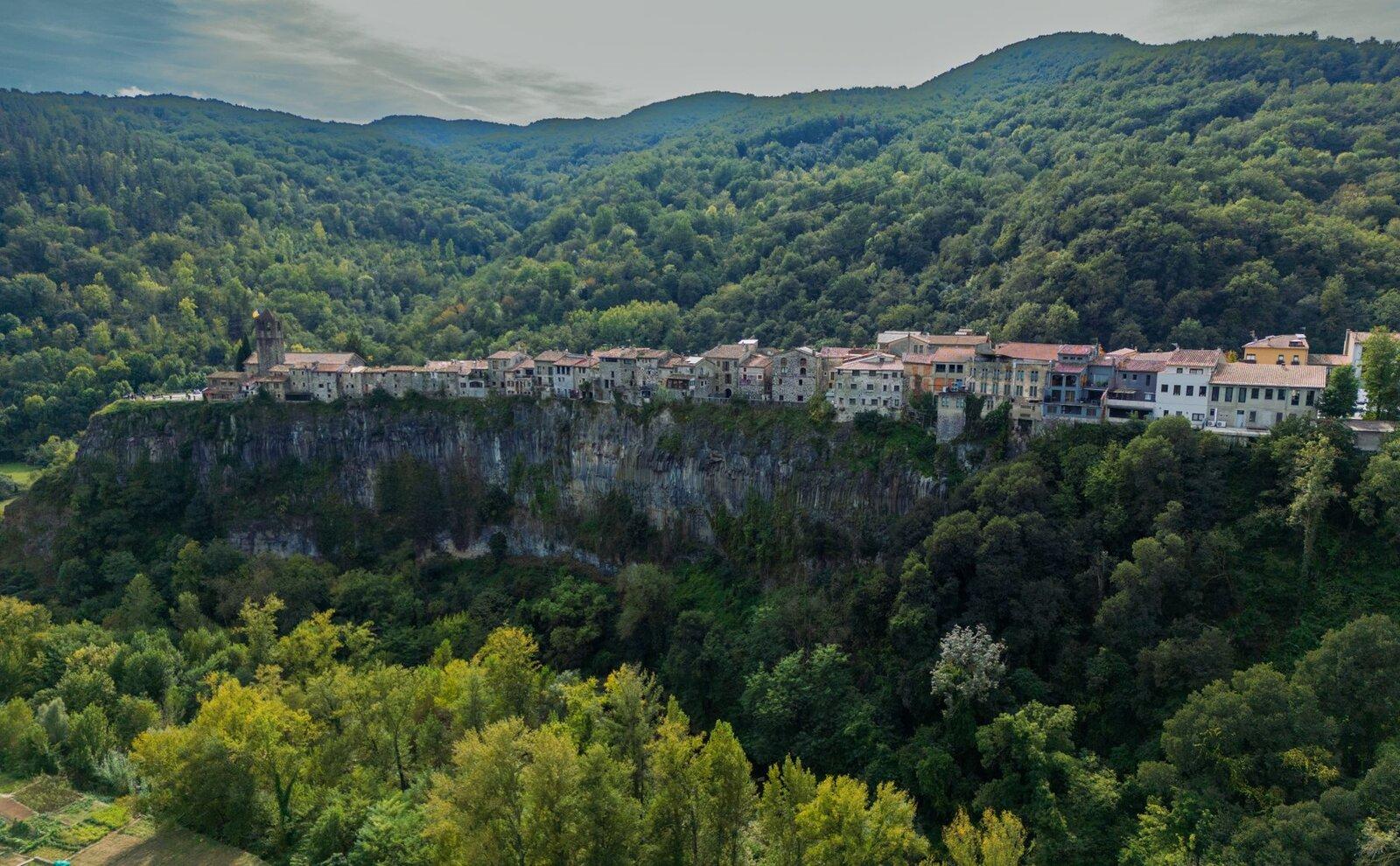
Barcelona is not a miniature version of Catalonia. Leave the metropolitan coast and the landscape changes quickly: a historic city climbs above a river, a monastery sits against serrated rock, medieval villages overlook rice fields, and forest hides old volcanic cones. The useful question is not which seven places can fit into one holiday. It is which two will change your understanding of the trip.
For a week based partly in Barcelona, choose one easy rail destination and one place that justifies a car or overnight. Girona plus Montserrat creates a strong car-free pair. Pals or Peratallada followed by Cadaqués works as a longer coastal route. La Garrotxa deserves its own two-night inland base.
1. Girona: the easiest complete city
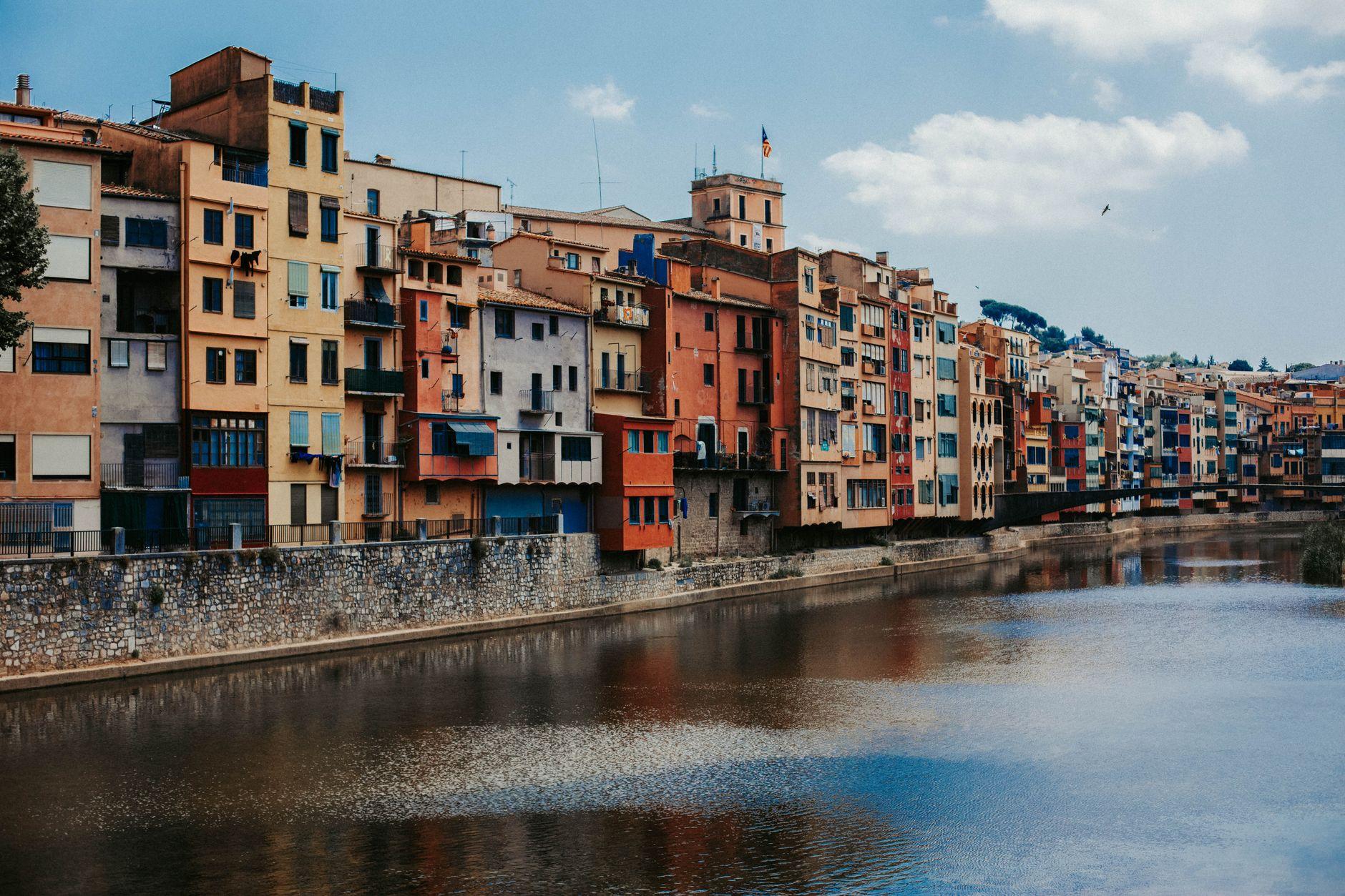
Girona works as a day trip because the railway station and old town belong to the same walkable city. Cross the Onyar, enter the Força Vella and choose between cathedral precinct, Jewish history, city walls and a museum rather than rushing all four.
The city’s official historic guide traces more than two thousand years through the Roman enclosure and medieval expansion. Allow six to eight hours from arrival; stay overnight if restaurants and the quieter evening streets matter. Direct train time varies by regional or high-speed service, so compare the exact fare and station before buying.
2. Montserrat: sanctuary and mountain in one day
Montserrat is both an active Benedictine sanctuary and a mountain landscape. Arrive early, visit the basilica with respect for worship, then choose one short signed walk or the museum. Do not turn a choir time, throne visit, funicular and summit trail into a sequence of missed reservations.
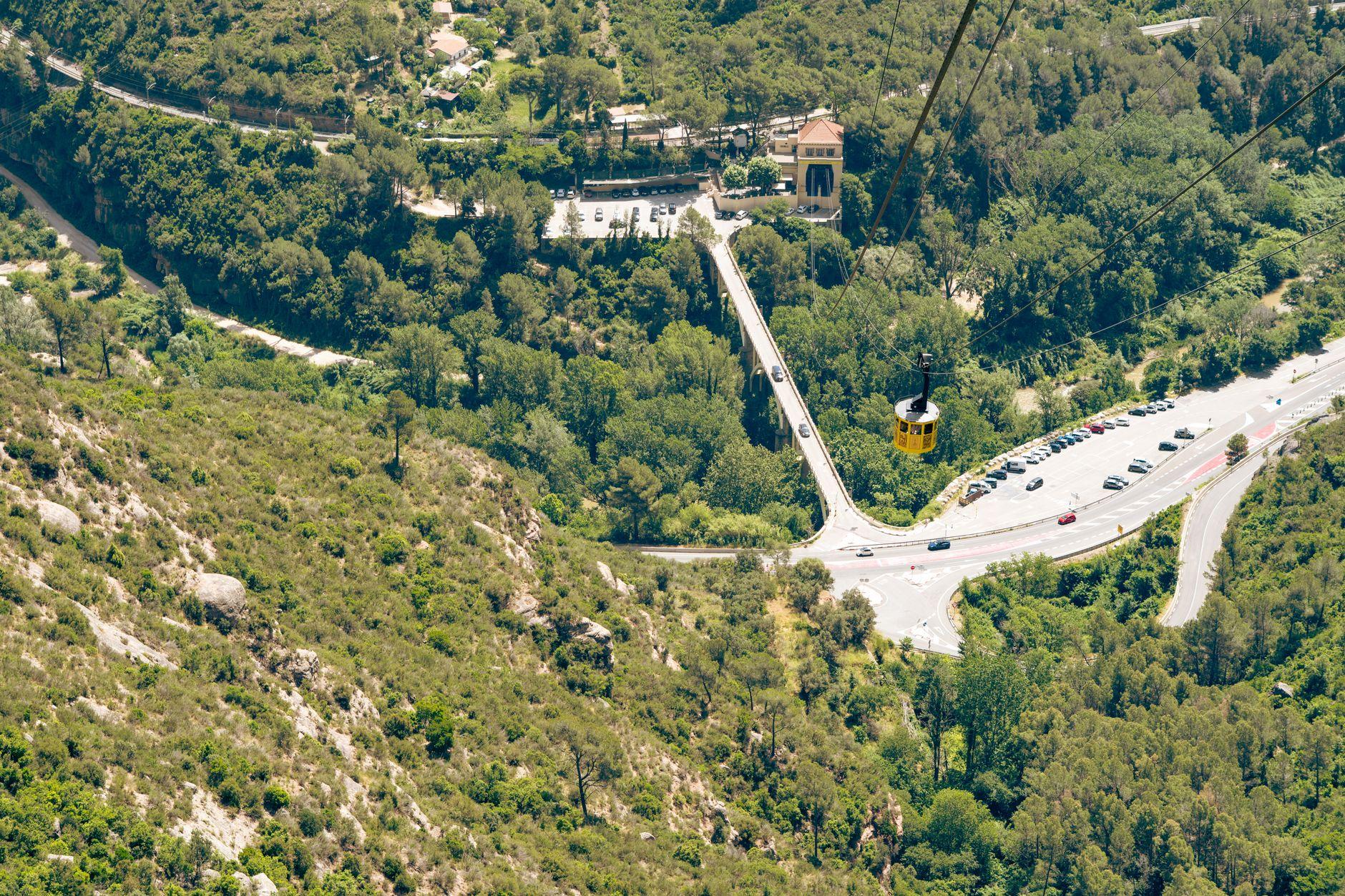
The official Montserrat visitor site publishes transport, tickets, opening hours and current access notices. From Barcelona, the FGC train connects with either rack railway or cable car; buy the combination that matches the ascent you intend to use and check the last descent.
3. Besalú: one medieval town, not a quick bridge
The fortified bridge is the entrance to Besalú, not the whole visit. Cross it on foot, continue through the old streets and choose a guided Jewish-heritage visit only if booked through an authorized program. Some interiors are accessible only by arrangement.
The Besalú municipal tourist office sits by the bridge and provides maps and guided-visit information. A bus can connect from Girona, but timetables make the town easier as an overnight or part of a restrained Garrotxa drive. Give it two to three hours instead of combining it with several medieval villages.
4. Pals: stone above the Empordà plain
Pals’s upper town gives wide views across cultivated Baix Empordà toward the coast. Walk from the edge parking through the main square, gothic arch and lanes toward the church, Homage Tower and Josep Pla viewpoint. The experience is compact but the cobbles and slope slow movement.
The town’s official accessible-route guide describes rough, variable surfaces and practical obstacles in unusual detail. Use it even when no wheelchair is involved. Pals is best paired with a beach, rice-country meal or one neighboring village—not all of them.
5. Peratallada: stay for lunch
Peratallada is smaller and more enclosed than Pals. Rock-cut defenses, shaded lanes and restaurant courtyards make it rewarding when visited before tour traffic or kept through lunch. Its beauty is easy to consume as a thirty-minute photo loop; the better visit watches how the village functions once the first circuit is over.
A car is the practical arrival, using signed exterior parking. Pairing Pals and Peratallada is reasonable if they are the day’s principal places. Adding Begur, several beaches and a dinner in Girona turns nearby dots into repeated parking problems.
6. Cadaqués: a destination behind the road
Cadaqués feels distinct because the Pení massif separates it from the Empordà plain. White streets, working waterfront, galleries and the landscape toward Portlligat and Cap de Creus justify at least one night. The winding approach and summer traffic make a same-day drive from Barcelona a poor use of distance.
Use the official Cadaqués tourism site for parking, town walks, beaches and current cultural information. Portlligat’s Dalí house requires its own timed ticket; it cannot be assumed as an informal extension of a Cadaqués stroll.
7. La Garrotxa: geology under the forest
La Garrotxa needs two days because its story is distributed between Olot, Santa Pau and the volcanic park. Walk Montsacopa from town on one day, then use one official park itinerary through Fageda d’en Jordà, Santa Margarida or Croscat on the next.
The park’s official itinerary list gives route distances, ascent and difficulty. Parking and fire controls can regulate access. A car helps, but a bus to Olot plus planned local taxi can support a slower trip.
Put the seven into real itineraries
Without a car, use Barcelona → Montserrat → Girona, staying one night in Girona if time allows. With four or five nights and a car, use Girona → Pals or Peratallada → Cadaqués. For inland nature, travel Barcelona → Olot or Santa Pau and spend two nights rather than attaching La Garrotxa to a long transfer day.
Budget roughly €35–80 per person for a straightforward rail day with one paid sight and meal, and €160–300 per person for a two-night rural stay sharing room and transport. These are planning ranges, not quotes. Summer coast, autumn forest weekends and festival dates can cost more.
Do not choose by fame alone. Choose the place whose transport, walking surfaces, opening hours and weather suit the group, then remove another stop until the day has slack. Barcelona introduces one Catalan reality; these seven reveal others only when they are treated as places, not proof that you left the city. Verify official access and transport for each selected date.
Related guides
- A First Catalonia Trip Without Barcelona: Three Rail Bases
Build a six- or seven-night first Catalonia trip around Girona, Vic and Tarragona, with a simpler two-base fallback for rail disruption.
- Ten Days in Catalonia: Barcelona, Girona, Coast and Tarragona
Allocate ten Catalonia nights across Barcelona, Girona, the Costa Brava and Tarragona without losing whole days to transfers.
- Tarragona in One Day: Roman Ruins and the Old Town
Walk Tarragona from its Roman walls through the Part Alta to the seafront amphitheatre, with current monument tickets and timing.
Are you in the know?
Receive new articles, local updates, and occasional offers from selected partners. We never share your email address. Unsubscribe at any time.
By subscribing you agree to our privacy policy.