Catalonia
When to Visit Catalonia: Weather, Crowds and Seasonal Travel
Choose dates by the least flexible part of your trip—swimming, snow, a mountain route or a festival—rather than one average forecast.

For a first trip that combines Barcelona, Girona or the Costa Brava and one inland stop, May, June, September and early October are the easiest months to work with. Days are long enough for mixed itineraries, the coast is active and demand is usually less concentrated than in August. That is a useful default, not a weather guarantee.
Catalonia does not have one climate. The Meteocat climate description distinguishes coastal, central, Pyrenean and other patterns shaped by the Mediterranean, altitude and terrain. Coastal winters are generally milder; the Central Depression has colder, foggier winters and hotter, drier summers; mountain temperatures are lower and precipitation higher. The 1991–2020 climate atlas is the right place to compare typical conditions by municipality.
Choose the date around the least flexible experience. Sea swimming depends on water and wind, a high Pyrenees route depends on snow and storms, skiing depends on the season’s cover, and a festival happens on its own calendar. Cities, museums and food can fit around those anchors much more easily.
Spring: green landscapes and unstable edges
April and May suit city walking, cycling at lower elevations and rural drives before summer heat. Flowers and green fields make the interior especially rewarding, while the coast is quieter than in peak season. Easter and long holiday weekends are exceptions: rooms and transport can fill even when beach weather is uncertain.
High mountain routes may still carry snow, and spring weather can change quickly. A warm forecast in Barcelona says little about a Pyrenees pass. Keep one indoor alternative for every outdoor day and verify the exact altitude, not merely the nearest town.
June often offers the best compromise for coast-and-city travel: long evenings, lively resorts and fewer peak-August pressures. Heat waves are still possible. If the itinerary involves exposed ruins or cycling, start early and reserve the afternoon for shade.

Summer: right for the sea, demanding everywhere else
July and August are rational choices when swimming, family holidays and long evenings are the purpose. They are also the most competitive months for coastal accommodation, parking and restaurants. Book the base early, avoid changing hotels every night and do not expect an unreserved beach village to absorb unlimited cars.
Barcelona and inland Catalonia can be very hot. Place walking before lunch, use the middle of the day for an interior or rest, and carry more water than a short urban distance seems to require. The Pyrenees are cooler, but exposed trails still bring strong sun and afternoon thunderstorms. Begin high walks early and follow mountain forecasts and local route notices.
Wildfire danger can close natural areas and access roads. A reservation is never permission to enter a restricted landscape. Check official controls on the day and keep a town, museum or pool as a real fallback.
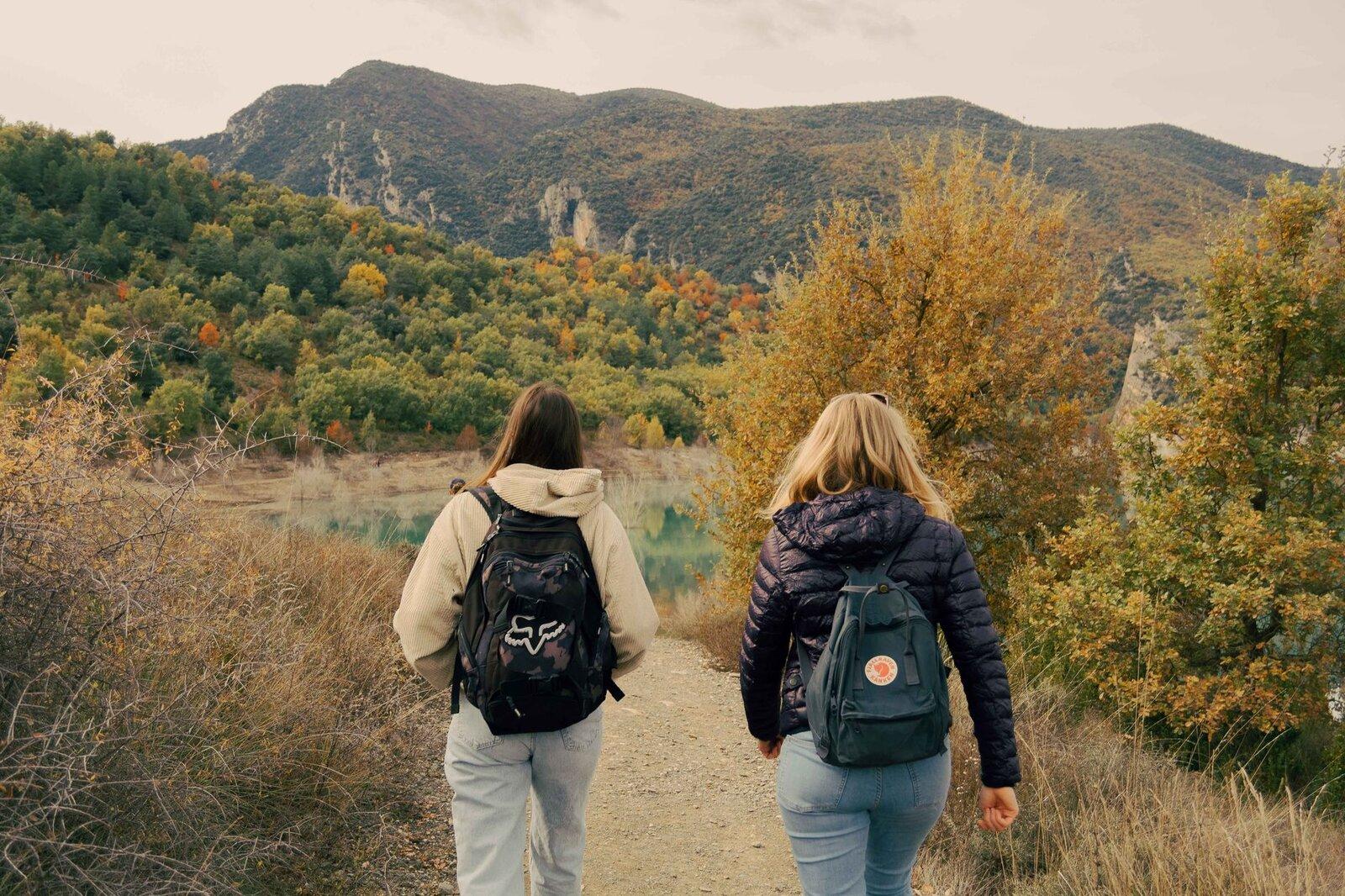
Autumn: warm sea, working landscapes
September is often the strongest all-round month. The sea retains summer warmth, families have left the peak holiday cycle and evenings remain usable. Coastal and pre-coastal Catalonia can also receive intense autumn rain, however. Treat a clear seasonal average as context, not protection from a specific storm warning.
October suits food, wine landscapes and city culture. Harvest is work, not an open performance: visit wineries by appointment and keep farm roads clear. Daylight shortens, some coastal businesses reduce hours and mountain weather becomes less forgiving later in the month.
November is quieter and can be excellent for museums, long lunches and lower-elevation walking. It is less suited to an itinerary whose value depends on open resort services or a late return from a remote trail.
Winter: cities, snow and fewer automatic services
Barcelona, Girona and Tarragona remain viable winter destinations. Museums, markets and restaurants matter more than beach infrastructure, while shorter queues can offset shorter days. Christmas, New Year and major events still create sold-out periods and special opening hours.
The Pyrenees become a snow destination, but skiing and winter hiking are different activities. Lift operations, avalanche conditions, road equipment and daylight all need current checks. A valley walk may be the correct plan even when high slopes look inviting from below.
Inland basins can be cold and foggy. Do not pack for “mild Mediterranean winter” as though it describes Vic, Lleida, Barcelona and the Val d’Aran equally.
Match the month to the trip
- First mixed itinerary: May, June, September or early October.
- Swimming holiday: June to September, with the largest crowds and prices usually in July and August.
- Ordinary high-mountain hiking: broadly July to September, always subject to snow, storms and route conditions.
- City and museum trip: October to May, excluding any sold-out holiday or event dates that matter to you.
- Cycling and lower walks: spring and autumn, with an early start and a weather alternative.
- Skiing: the operating winter season, chosen only after checking snow and lift status.
For a seven-to-ten-day first visit, use two or three bases rather than trying to chase ideal weather across the whole territory. Outside peak weeks, €90–160 per person per day for a shared mid-range room, food and regional movement is a broad planning range; the August coast, ski weekends and festivals can sit well above it.
Reserve the least replaceable item first. That may be a festival ticket, a flexible coastal room or a mountain refuge. Keep ordinary city days movable. Forty-eight hours before each outdoor plan, replace seasonal assumptions with the official forecast and local access status. Climate describes patterns, while the trip is governed by the weather that actually arrives.
Related guides
- Three Days in Barcelona and Catalonia: A First-Time Itinerary
A balanced first itinerary combining Barcelona with one carefully chosen Catalan day trip.
- A First Catalonia Trip Without Barcelona: Three Rail Bases
Build a six- or seven-night first Catalonia trip around Girona, Vic and Tarragona, with a simpler two-base fallback for rail disruption.
- Barcelona, Girona or Reus Airport: Where Should You Fly Into?
Compare Catalonia's three main visitor airports by the complete transfer to Barcelona, Girona, the Costa Brava or Tarragona.
Are you in the know?
Receive new articles, local updates, and occasional offers from selected partners. We never share your email address. Unsubscribe at any time.
By subscribing you agree to our privacy policy.