Culture
Tortosa: River, Castle and Layered Heritage in One Day
Walk Tortosa from station to Ebro, cathedral quarter, and castle viewpoints with heat, hills, and opening hours accounted for.
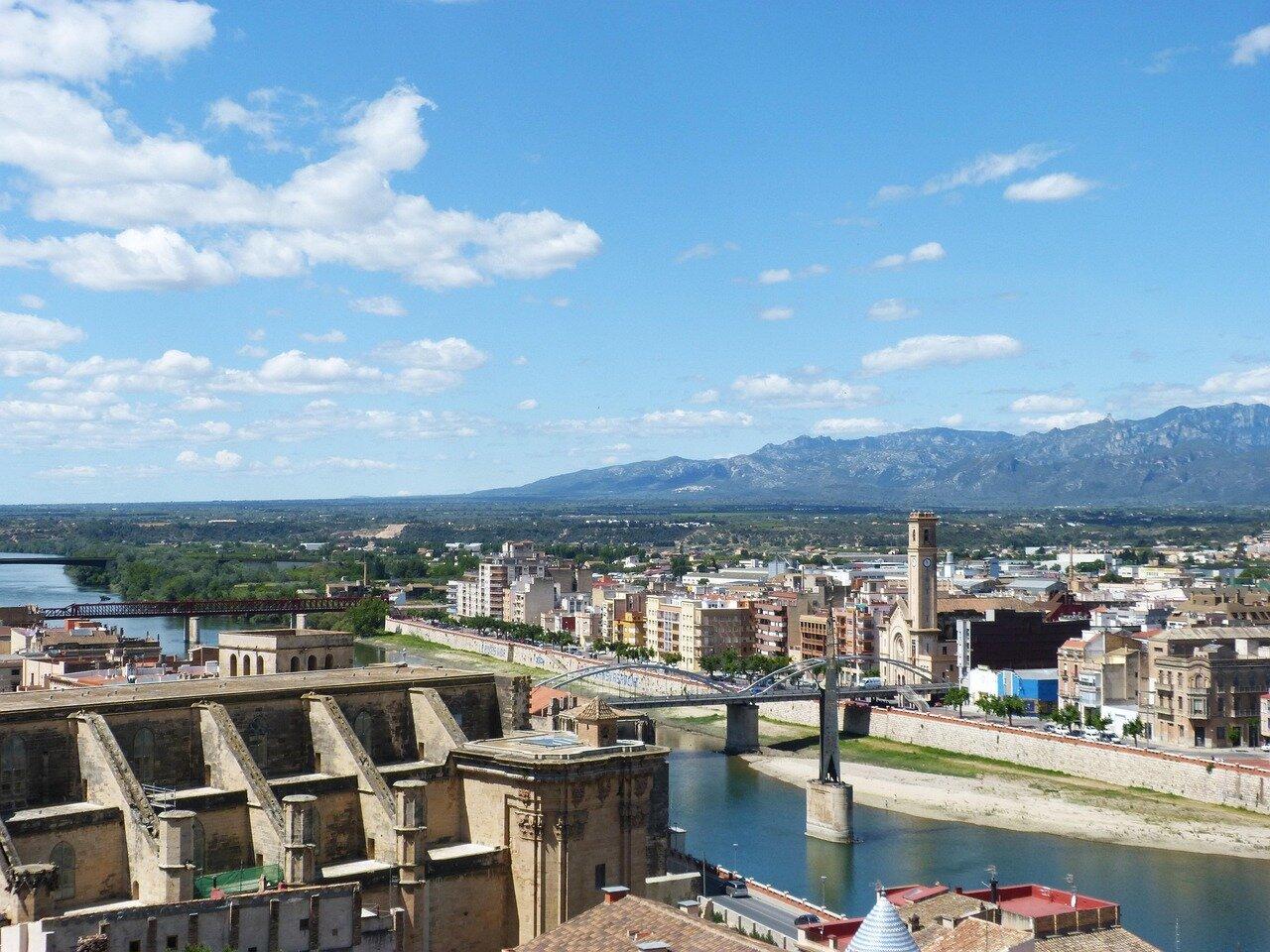
Tortosa sits where the Ebro and strategic routes have accumulated Iberian, Roman, Islamic, Jewish, Christian, Renaissance, and modern histories. A good day does not flatten those layers into a single “medieval” label. It also pairs naturally with a later Ebro Delta visit—but that is a second day, not a squeezed afternoon.
Compact Walking Plan
- Start: Tortosa station.
- Route: market and riverfront → historic core and one confirmed interior (cathedral or museum) → castle viewpoint if heat allows → station.
- Distance / time: roughly 7–10 km and 7–9 hours at an easy pace with lunch.
- Budget: €35–70 per person for rail, one paid entry, and food.
- Hours: monument and museum schedules can be fragmented outside peak weekends—verify before you climb.
- Book: reserve only if a guided tour or special interior requires it; ordinary walking does not.
Confirm monument schedules and guided routes with Tortosa Turisme and compare trains to Tortosa; see Rodalies de Catalunya official journey information.
Put Heat Before Sequence
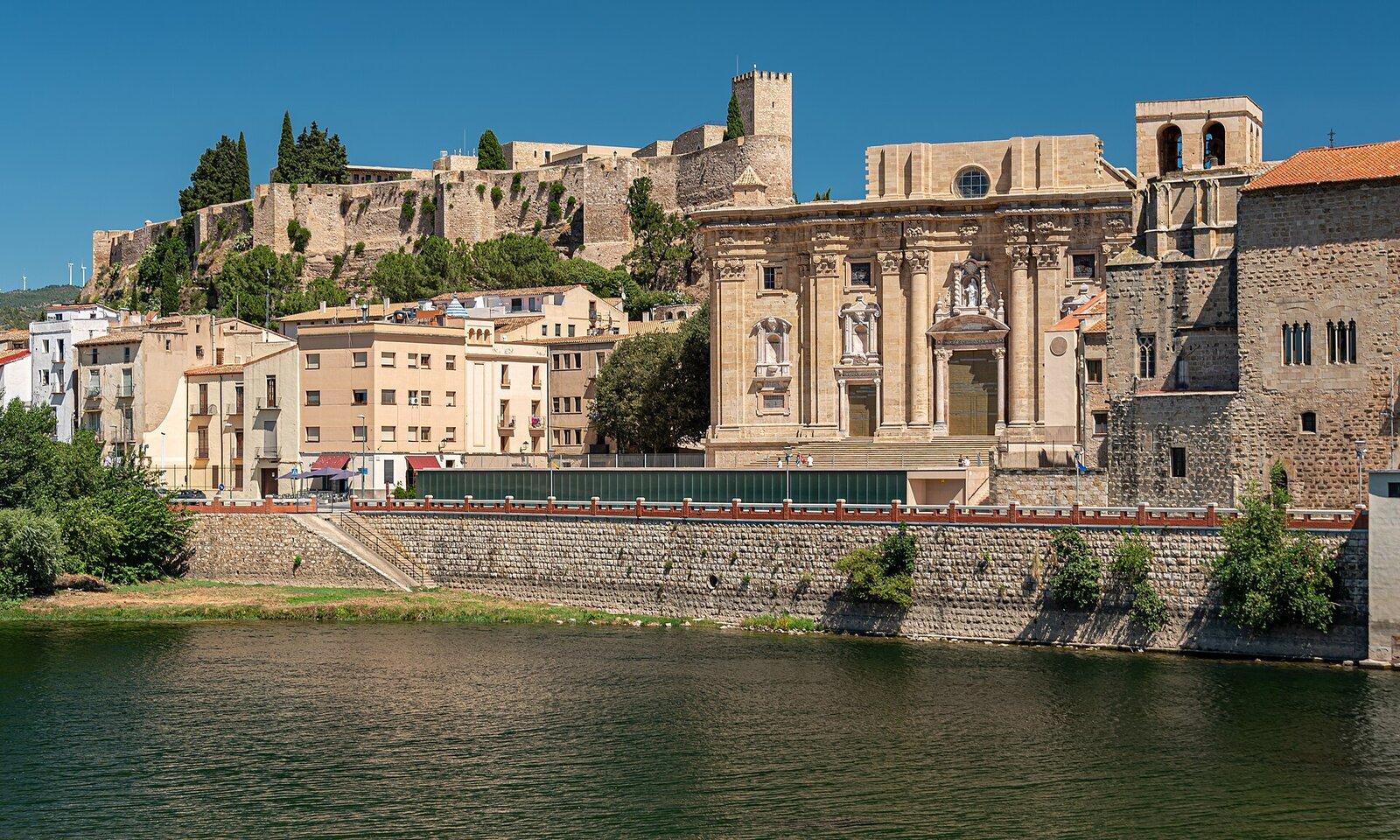
In warm months, make the uphill castle section early, carry at least 1 litre of water, and use shaded or indoor stops at midday. Historic lanes contain gradients, cobbles, and steps. Ask the tourism office for the current accessible route rather than assuming every viewpoint is step-free.
Opening times can be awkward: a church may open when a museum closes, and Mondays can be thin. Choose the day’s interior from current information, then let the streets connect it to the river. Allow €15–28 for lunch; market hours are generally earlier than museum hours, so shop or snack before climbing.
Read the City’s Layers Carefully
Tortosa’s interest is cumulative: river trade, religious architecture, fortifications, and later political memory. Interpretation of the Civil War, dictatorship, religious change, and the former Jewish quarter requires reliable local sources—start with the tourism office and on-site panels rather than improvising captions for photographs. Ask before photographing worshippers and respect any restricted area.
Do not treat living religious spaces as sets. If a service is underway, wait or choose another interior. The castle viewpoint is valuable for understanding the river bend and defensive site, but it is not mandatory for the day to succeed.
Transport Choices
Rail works for a station-based day. Journey times from Barcelona are long enough that an early train matters; build buffer for connections at larger hubs. A car helps if you will continue into the Delta the same evening, but parking near the old center can be limited—use signed peripheral parks and walk in.
If you hope to combine Tortosa and the Delta in one day, accept that you will see less of both. The honest split is Tortosa on foot one day, Delta wildlife and rice landscapes with a car or arranged transfer on another.
Fallbacks
If heat, rain, or closures remove the castle, keep the market, riverfront, old center, and museum. If an interior is shut, lengthen the riverside walk and treat façades and urban fabric as the main text. On wet days, prioritize covered market areas and one reliable museum, then take a shorter old-town loop between showers rather than forcing the ramparts.
Tortosa’s strength is the relationship between river and city; the highest viewpoint is only one way to see it. Finish with enough time for the return train rather than a last uphill sprint that leaves you stranded on the platform. If you still have energy at the station, a simple café stop beats adding an unresearched second monument that may already be closed.
Related guides
- Lleida and the Seu Vella: A Hilltop Heritage Day
Plan Lleida’s station-to-hill route around the Seu Vella complex, steep access, heat, lunch, and one lower-city stop.
- Cardona in One Day: Castle, Old Town and Salt Mountain
Link Cardona’s fortress, medieval centre and underground salt galleries in one day without losing the timed tours to hills and parking.
- A First Catalonia Trip Without Barcelona: Three Rail Bases
Build a six- or seven-night first Catalonia trip around Girona, Vic and Tarragona, with a simpler two-base fallback for rail disruption.
Are you in the know?
Receive new articles, local updates, and occasional offers from selected partners. We never share your email address. Unsubscribe at any time.
By subscribing you agree to our privacy policy.