Food
10 Traditional Catalan Foods to Try During Your Trip
From pa amb tomàquet and calçots to suquet de peix and crema catalana—ten Catalan dishes and how to find them on your trip.
Catalan food rarely announces itself with one national dish. It appears instead as tomato rubbed into bread, onions blackened over an open fire, a spoonful of garlicky sauce beside grilled meat, or a seafood stew that tastes unmistakably of the coast.
The region’s cooking follows its geography: Mediterranean fish, market-garden vegetables, mountain meat and cheese, forest mushrooms, rice, beans, and nuts. Start with the ten dishes below, but order seasonally—the meal in front of you matters more than completing a checklist.
1. Pa Amb Tomàquet
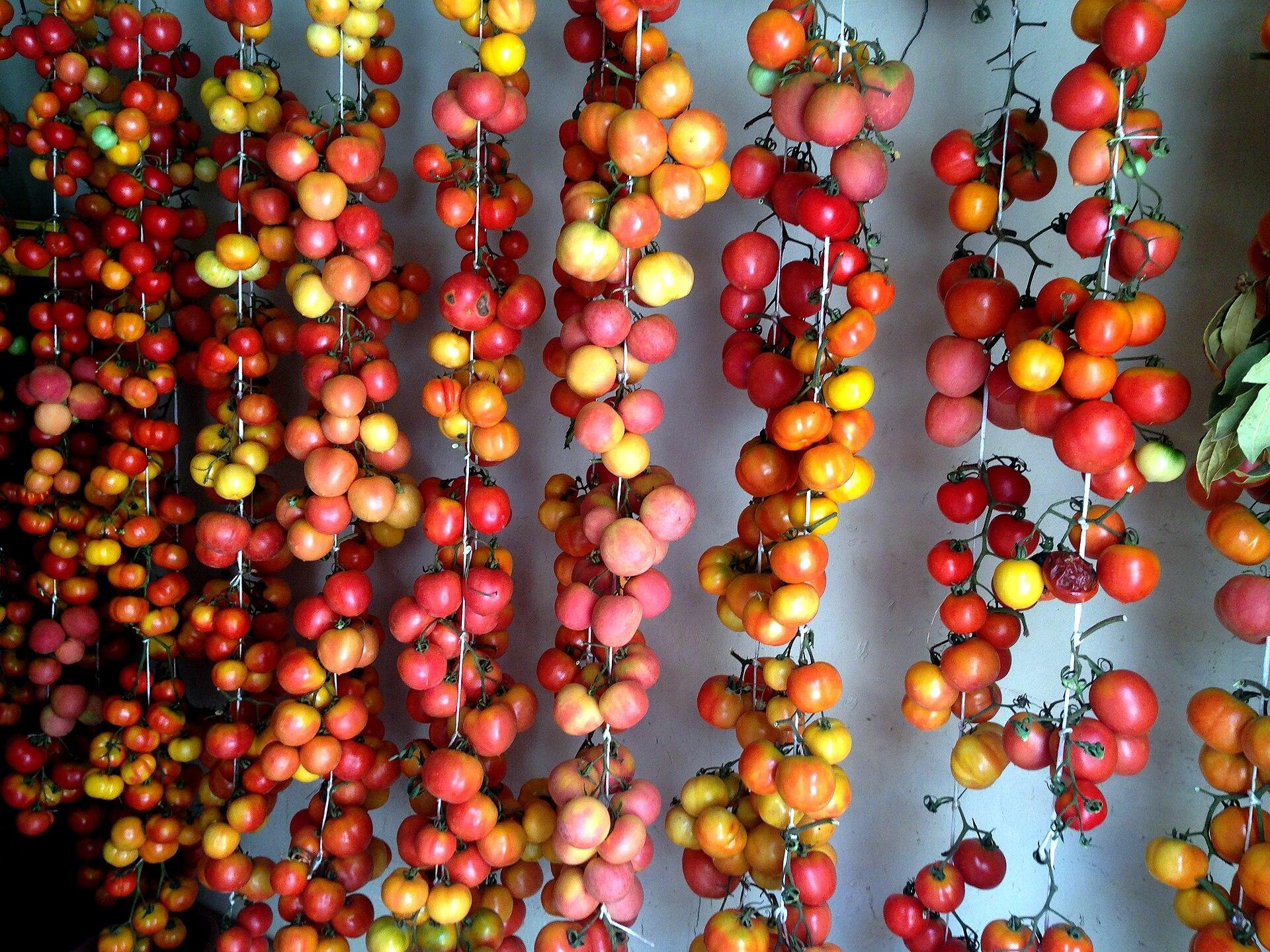
Pa amb tomàquet is bread rubbed with ripe tomato and commonly finished with olive oil and salt. Garlic may also be used.
The dish appears at breakfast, beside grilled meat, as part of a sandwich, or as an accompaniment to a larger meal. Its simplicity means that the quality of the bread, tomato, and olive oil matters enormously.
You will encounter pa amb tomàquet throughout Catalonia, from casual cafés to fine-dining restaurants.
2. Escalivada
Escalivada is made with roasted vegetables, usually including peppers and eggplant. Onion and tomato may also appear.
The vegetables are peeled, cut into strips, and served with olive oil. Escalivada can be eaten as a starter, placed on toasted bread, or served beside fish and meat.
It is an excellent choice for travelers looking for a vegetable-focused Catalan dish.
3. Esqueixada
Esqueixada is a cold salad traditionally made with shredded salt cod, tomato, onion, olives, and olive oil.
Its fresh character makes it particularly appealing during warm weather. The balance of salty cod, ripe vegetables, and olive oil is typical of Mediterranean Catalan cooking.
Recipes vary between restaurants and households.
4. Calçots
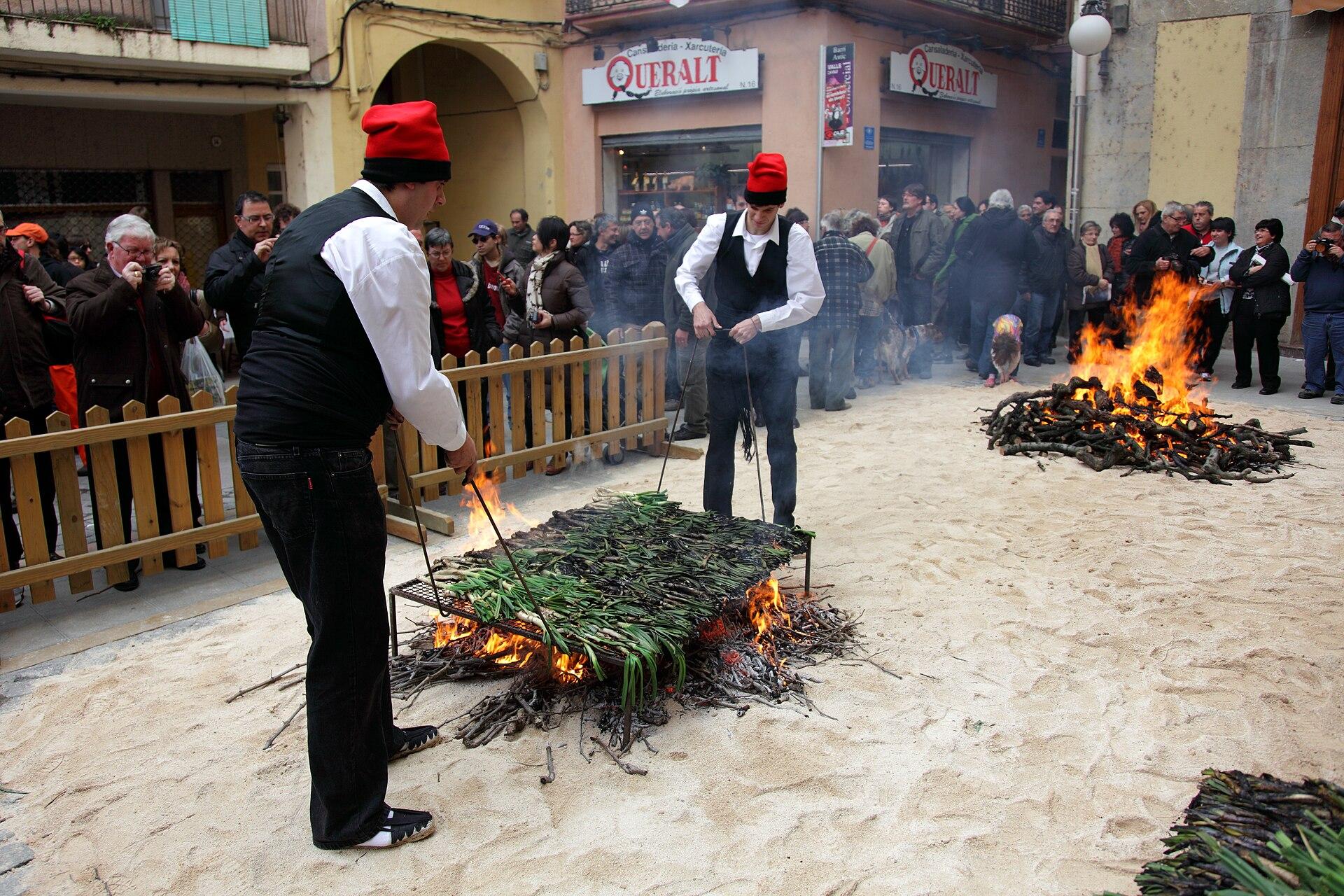
Calçots are a type of long, mild green onion traditionally eaten during winter and early spring.
They are grilled over an open flame until the outer layers become blackened. Diners peel away the charred exterior, dip the tender interior into sauce, and eat them by hand.
A calçotada is not merely a dish but a social meal, often followed by grilled meat, beans, bread, and wine. Wearing a bib is both practical and entirely normal.
5. Botifarra
Botifarra refers to several varieties of Catalan sausage. Fresh botifarra is commonly grilled and served with white beans in the dish botifarra amb mongetes.
Other varieties may be cured or cooked and can contain different seasonings and ingredients.
Markets and traditional restaurants are good places to discover how much the sausage changes from one region to another.
6. Escudella i Carn d’Olla
Escudella i carn d’olla is a substantial soup and meat dish strongly associated with colder weather and family meals.
The broth may contain pasta or rice, while the accompanying meats, sausages, chickpeas, and vegetables are served separately or as another course.
Versions differ widely, and Christmas escudella has particular cultural importance in many Catalan homes.
7. Canelons
Canelons are baked pasta tubes filled with meat and covered with béchamel sauce and cheese.
They became closely associated with the Feast of Sant Esteve on December 26, when leftover meat from Christmas meals could be transformed into a new dish. Today, canelons are served throughout the year and may contain meat, vegetables, mushrooms, fish, or other fillings.
They remain a classic example of Catalan home cooking.
8. Suquet de Peix
Suquet de peix is a fishermen’s fish stew associated with the Catalan coast.
It typically combines fish, potatoes, and a deeply flavored broth. Shellfish may be added, depending on the recipe and available catch.
The dish varies considerably between restaurants, so ask which fish is being used and whether the serving size is intended for one person or several.
9. Crema Catalana
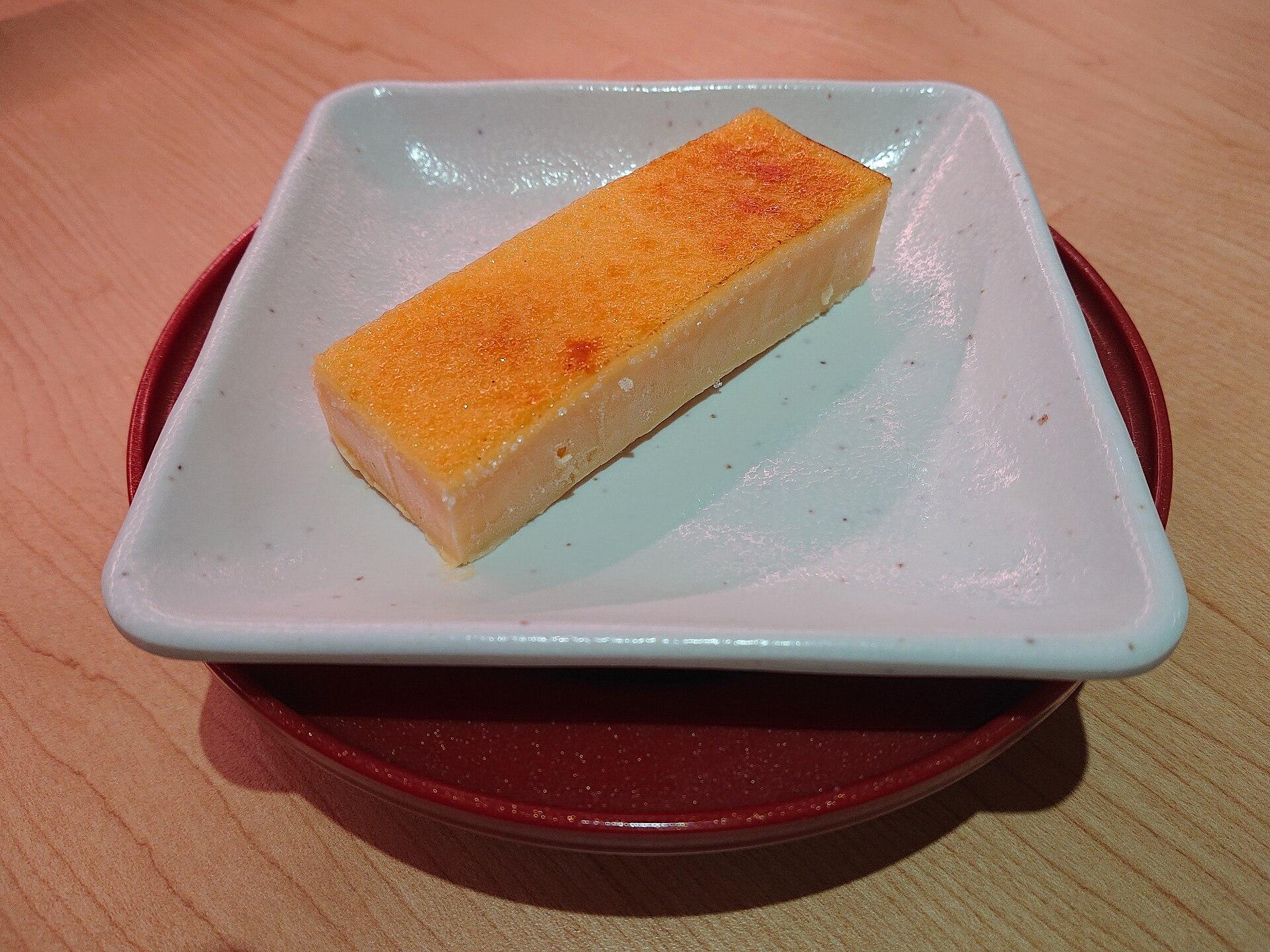
Crema catalana is a custard dessert flavored with citrus peel and cinnamon and finished with a thin layer of caramelized sugar.
It may resemble crème brûlée at first glance, but the ingredients, preparation, and flavor profile are not identical.
Breaking the crisp sugar surface with a spoon is part of the pleasure.
10. Mel i Mató
Mel i mató combines fresh, mild cheese with honey. Nuts may also be added.
It is lighter than many restaurant desserts and depends on the contrast between creamy cheese and floral sweetness.
The dish is especially satisfying when prepared with locally produced cheese and honey.
How to Find Authentic Catalan Food
Move beyond the most tourist-oriented streets and look for restaurants serving seasonal dishes. A shorter menu is often a positive sign, particularly when it changes during the year.
At lunchtime, the menú del dia can offer excellent value. It usually includes a first course, main course, dessert or coffee, and sometimes a drink, although the exact format varies.
Municipal markets are also useful for discovering local products. Visit in the morning, observe what is in season, and do not hesitate to ask vendors how an unfamiliar ingredient is normally prepared.
Catalan food is not defined by a single famous dish. It is a collection of local ingredients, family traditions, seasonal celebrations, and recipes that change as you travel from the Mediterranean coast to the Pyrenees.
Are you in the know?
Don’t miss our latest Catalonia stories, routes, and practical travel tips.