Culture
Castellers in Catalonia: A First-Time Guide
A first-time guide to castellers: what Catalan human towers represent, how a performance unfolds, and how visitors can watch respectfully.
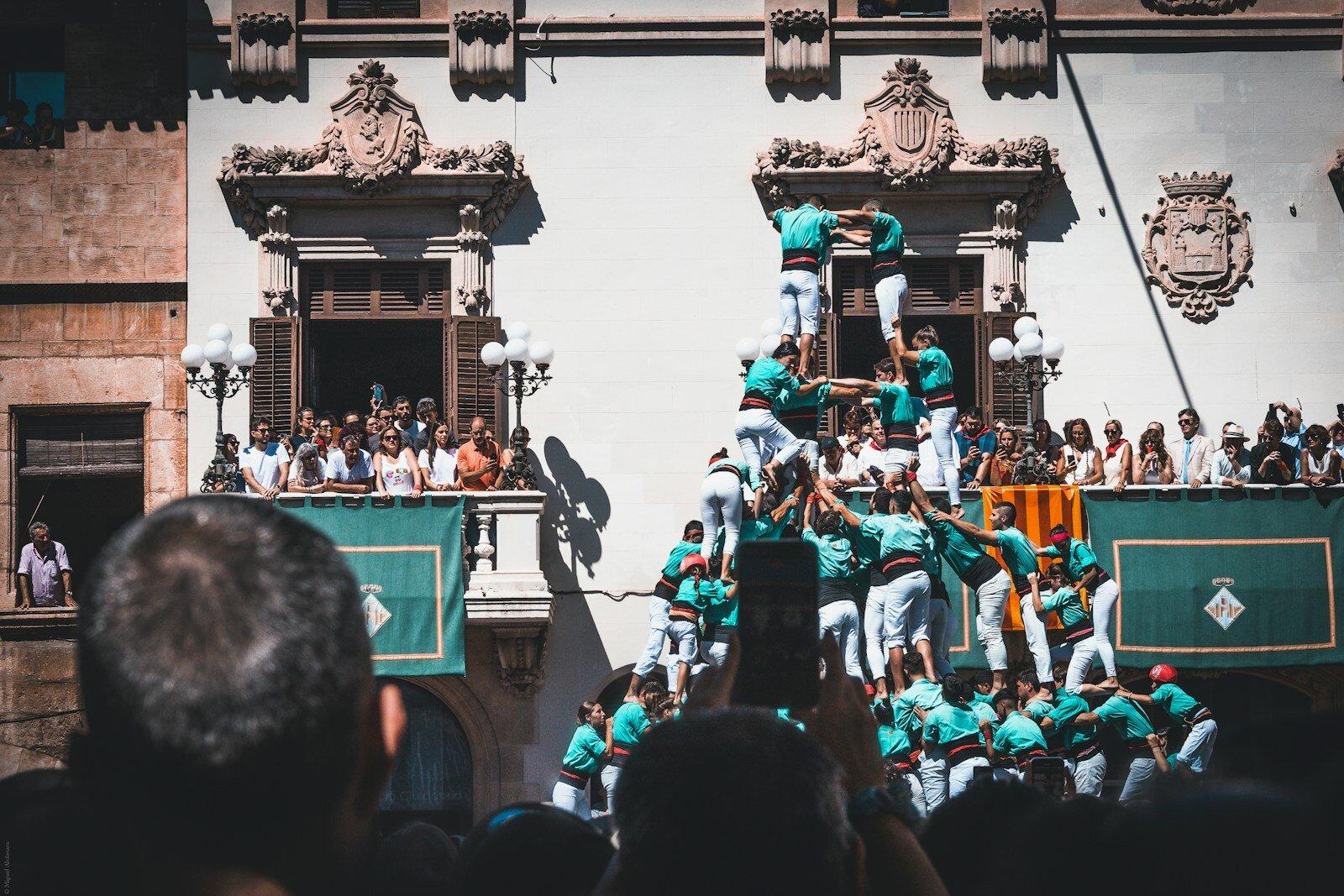
A town square falls quiet, a dense base locks into place, and climbers begin moving upward through a structure made entirely of people. When the smallest casteller reaches the top and raises a hand, the release in the crowd is almost physical.
That brief spectacle rests on months of rehearsal and a community known as a colla. Castells are built from trust, technique, courage, and hundreds of less visible acts of support. Knowing that changes how you watch.
What You Are Seeing
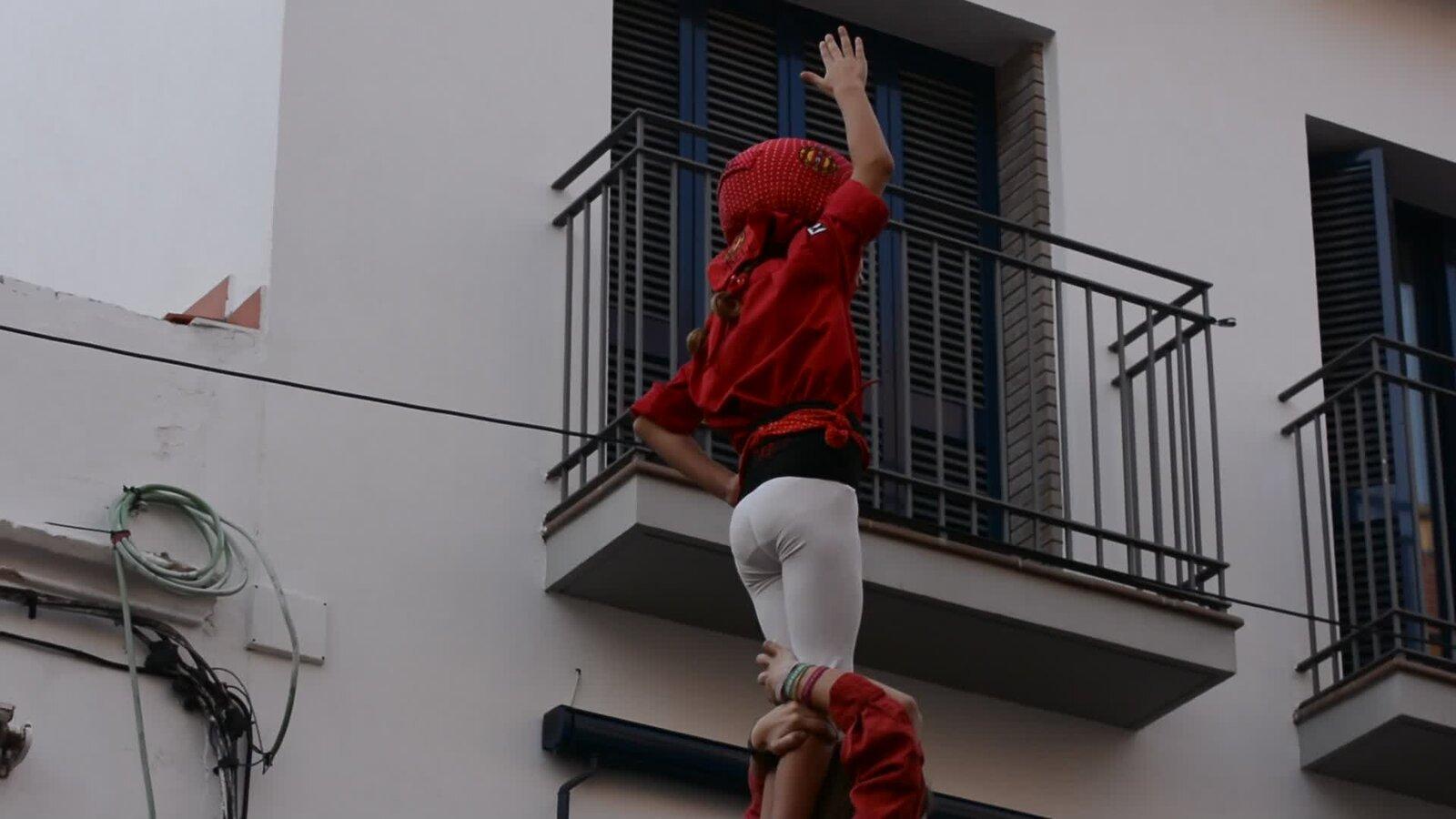
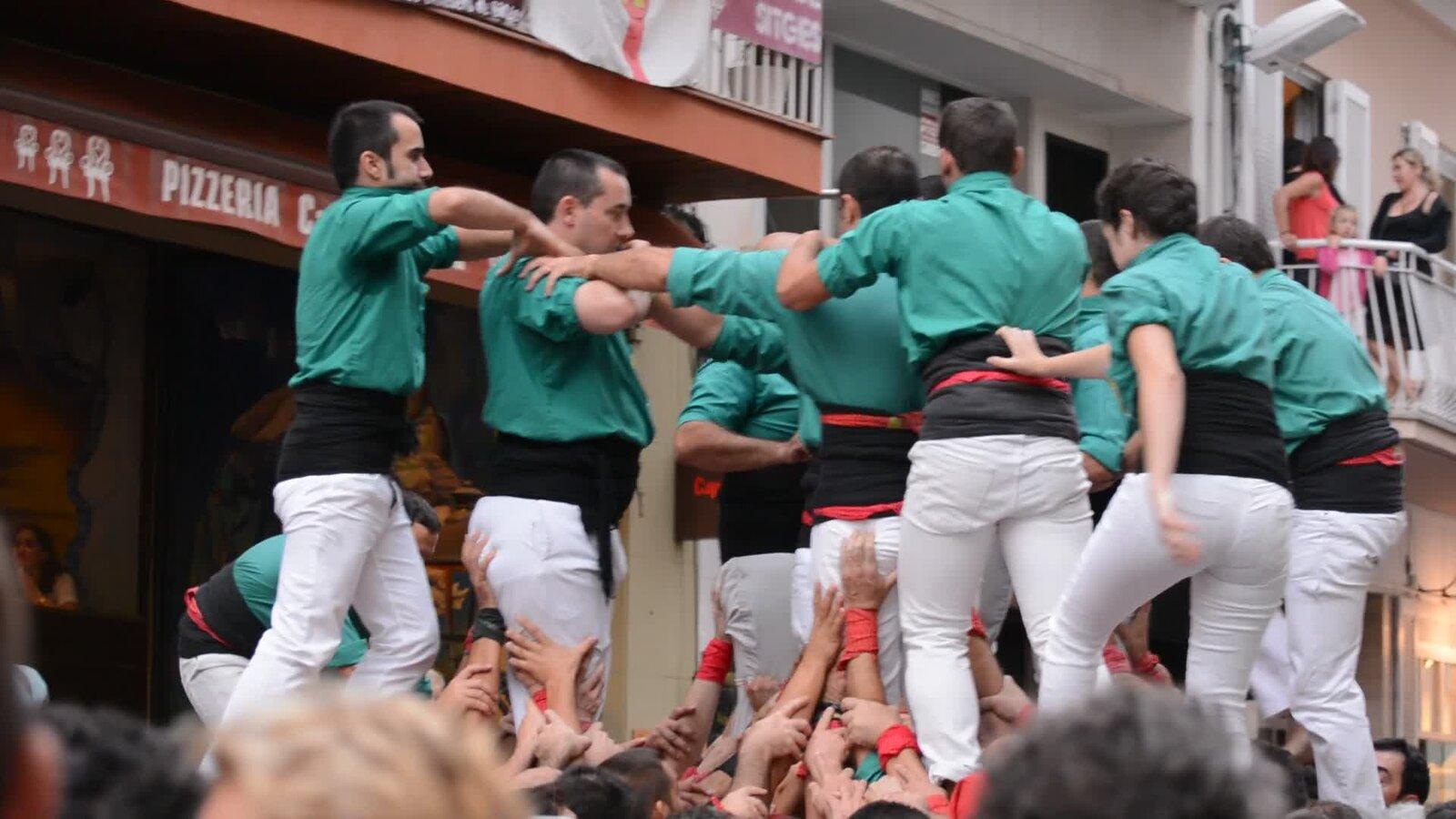
A castell is built in layers. The broad base, or pinya, provides stability and may include many people standing closely together. Above it, designated climbers form the trunk and upper levels. The enxaneta, often a child, completes the tower by reaching the top and making a traditional gesture.
Different structures have different names based on their height and width. You do not need to understand every term on a first visit. Listen to the commentators if there are any, and notice how methodically each role is carried out.
Why the Music Matters
The sound of the gralla, a traditional reed instrument, accompanies key moments in the construction. Its melodies signal progress and help those watching understand how the tower is developing.
Keep conversation low during a build. The people in the square need to hear one another, and the atmosphere of concentration is part of what makes a performance powerful.
Where and When to See Castellers
Performances are often connected to town festivals and public celebrations, especially in the warmer months. Tarragona, Vilafranca del Penedès, Valls, and Barcelona are among the places strongly associated with casteller culture, but events take place across Catalonia.
Schedules change with local calendars and weather. Look for official information from a town council, festival organizer, or the relevant colla shortly before your visit. Do not plan a trip around an undated travel article or an old social post.
How to Watch Respectfully
Stand behind any barriers and leave clear paths around the square. Do not push toward the base, climb onto public furniture, or extend a phone above people who are trying to see. If a group asks spectators to move, do so promptly.
Avoid flash photography and do not use a drone. A performance involves physical risk and needs a calm, unobstructed environment. If a tower falls, give organizers space and follow instructions rather than crowding the scene.
Learn the Community Side
Colles are not professional entertainment companies. They are community organizations where people train, support each other, and participate in local life. Members span ages and backgrounds, and many roles are not visible from the edge of the square.
If you are invited to a rehearsal or an explanatory event, treat it as a privilege. Ask before taking photos and respect any rules about entry, children, or training areas.
A UNESCO Tradition, Still a Living Practice
Castells have international recognition, but they are not frozen heritage. Each event carries local rivalries, friendships, ambitions, and a shared responsibility for safety.
The familiar motto, often translated as “strength, balance, courage, and common sense,” captures the values many people associate with the tradition. You do not need to memorize it to appreciate the point: no tower is built by one person.
Watch slowly, stay out of the way, and let the square’s attention draw you in. A good casteller performance is not just a high point; it is a collective act unfolding in public.
Are you in the know?
Don’t miss our latest Catalonia stories, routes, and practical travel tips.